Cold pasta salad only works when the dressing clings instead of slipping to the bottom of the bowl, and that’s exactly what this version does. The tahini gives it a creamy body without dairy, the lemon keeps it bright, and the mix of crunchy vegetables makes every bite feel fresh instead of heavy. It’s the kind of side dish that disappears fast at cookouts, potlucks, and weekday lunches because it eats like a full meal but still feels light.
The trick is in the balance. Tahini can turn thick and stubborn when it first meets lemon juice, so a splash of water smooths it into a pourable dressing that coats the pasta evenly. Rinsing the pasta under cold water matters here too, because you want the noodles cool enough to absorb the dressing without turning soft and sticky. Chickpeas add enough substance to keep the salad satisfying, while cherry tomatoes, cucumber, bell pepper, and red onion bring crunch and juice in all the right places.
Below you’ll find the dressing ratio I rely on, the best way to keep the pasta from clumping after chilling, and a few swaps that make this salad work with whatever vegetables you’ve got in the fridge.
The tahini dressing coated everything beautifully and stayed creamy after chilling overnight. I added extra cucumber and the pasta still held up the next day without getting mushy.
Save this vegan pasta salad for potlucks, meal prep, and those days when you want a creamy plant-based side that still tastes fresh.
The Secret to a Creamy Vegan Pasta Salad That Doesn’t Turn Gluey
Most pasta salads go wrong in one of two places: the dressing is too thin and disappears, or the pasta is warm and keeps drinking the dressing until the bowl turns dry and heavy. Tahini solves the first problem because it has enough body to cling to noodles and vegetables, but it needs lemon juice and water to loosen into something pourable. If you skip the water, you’ll end up with thick streaks instead of a smooth coating.
The other mistake is dressing the pasta before it has cooled. Hot pasta softens vegetables and makes the tahini seize in patches. Rinse the pasta under cold water, drain it well, and let it sit just long enough to stop steaming before you mix everything together. That small pause is what keeps the finished salad creamy instead of pasty.
- Tahini — This is the base of the dressing, and nothing else gives the same nutty richness. A good, smooth tahini blends into a silky sauce; a bitter one will dominate the bowl, so taste it before you start.
- Lemon juice — It brightens the dressing and helps thin the tahini into something that coats evenly. Fresh lemon is worth using here because bottled juice can taste flat against the vegetables.
- Chickpeas — They add protein and give the salad enough heft to serve as lunch. Canned chickpeas are perfect as long as you rinse them well so the brine doesn’t muddy the dressing.
- Pasta — Use a short shape with ridges or curves, like rotini or shells, because those edges catch the dressing. Just be sure the box says egg-free if you want the recipe fully vegan.
What Each Ingredient Is Actually Doing in the Bowl
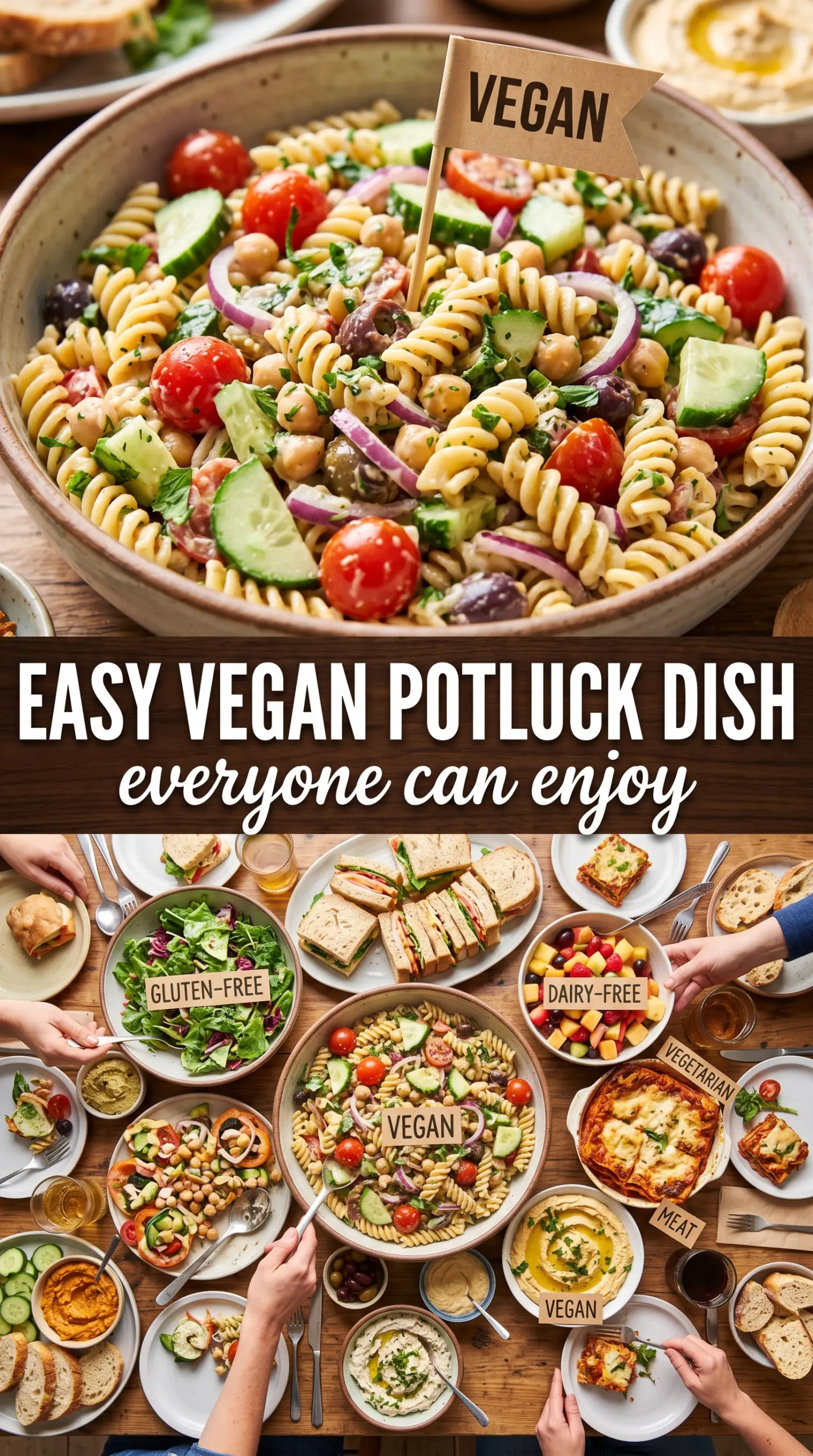
The vegetables here are doing more than filling space. Cherry tomatoes add sweet bursts of juice, cucumber keeps the salad cool and crisp, bell peppers bring crunch and color, and red onion gives just enough sharpness to keep the dressing from tasting one-note. If you want the salad to stay bright after chilling, dice everything small and evenly so the dressing can reach every bite.
Dijon mustard is the quiet ingredient that helps the dressing hold together. It sharpens the tahini and gives the oil something to emulsify with, which is why the sauce tastes balanced instead of oily. Garlic should be minced finely so it blends into the dressing rather than landing in harsh little bites; if raw garlic is too strong for you, use one small clove or grate it on a microplane.
Building the Salad So the Dressing Stays Creamy After Chilling
Cook the Pasta Past the Dente Point by a Minute
Cook the pasta until it is tender but still has a little structure. Pasta salad needs a softer bite than hot pasta because it firms up as it chills, and undercooked noodles will feel chalky once the dressing sets. Drain it well, then rinse with cold water until the steam is gone and the noodles feel cool to the touch. If the pasta stays warm, the dressing won’t coat evenly.
Whisk the Dressing Until It Turns Smooth and Pourable
Start with tahini, lemon juice, olive oil, garlic, Dijon, salt, and pepper. The mixture will look thick and almost broken at first, and that’s normal; keep whisking while adding water a little at a time until it turns glossy and spoonable. Stop when it drips from the whisk in a steady ribbon. If it looks grainy, it usually needs more water, not more oil.
Toss While the Pasta Is Dry, Not Wet
Add the cooled pasta, vegetables, and chickpeas to a large bowl, then pour the dressing over the top. Toss firmly so the sauce gets into the ridges of the pasta and settles around the chickpeas. If the pasta is still holding water in the bottom of the bowl, the dressing will slide off instead of coating, so let it drain longer than you think it needs.
Chill Long Enough for the Flavor to Settle
Give the salad at least an hour in the refrigerator before serving. That resting time lets the pasta absorb the dressing and gives the garlic, lemon, and onion time to mellow together. If it looks a little thick after chilling, loosen it with a spoonful of water or a squeeze of lemon and toss again. Finish with fresh herbs right before serving so they stay bright.
Three Ways to Adapt This Vegan Pasta Salad Without Losing the Creamy Texture
Gluten-Free Version
Use a sturdy gluten-free short pasta and cook it one minute past the package’s al dente suggestion so it doesn’t turn hard after chilling. Gluten-free noodles can absorb dressing fast, so toss the salad with a little extra water in the dressing and check it again before serving.
No Tahini on Hand
Use unsweetened sunflower seed butter for a similar creamy base, or blended cashews if you want a milder dressing. Sunflower seed butter will taste a little earthier, while cashews give you a softer, more neutral sauce that lets the vegetables stand out.
Higher-Protein Meal Prep Bowl
Add extra chickpeas or fold in diced baked tofu for a more filling lunch. The texture stays best if you add the tofu after the salad has chilled, because it keeps its edges intact instead of soaking up too much dressing.
Storage and Reheating
- Refrigerator: Store covered for up to 4 days. The pasta will absorb some dressing, so expect the salad to tighten up a bit after the first day.
- Freezer: This one doesn’t freeze well. The vegetables lose their crunch and the tahini dressing separates after thawing.
- Reheating: Serve it cold or let it sit at room temperature for 15 minutes before eating. If it seems dry, loosen it with a teaspoon or two of water and toss again instead of heating it, which can make the dressing seize.
Answers to the Questions Worth Asking
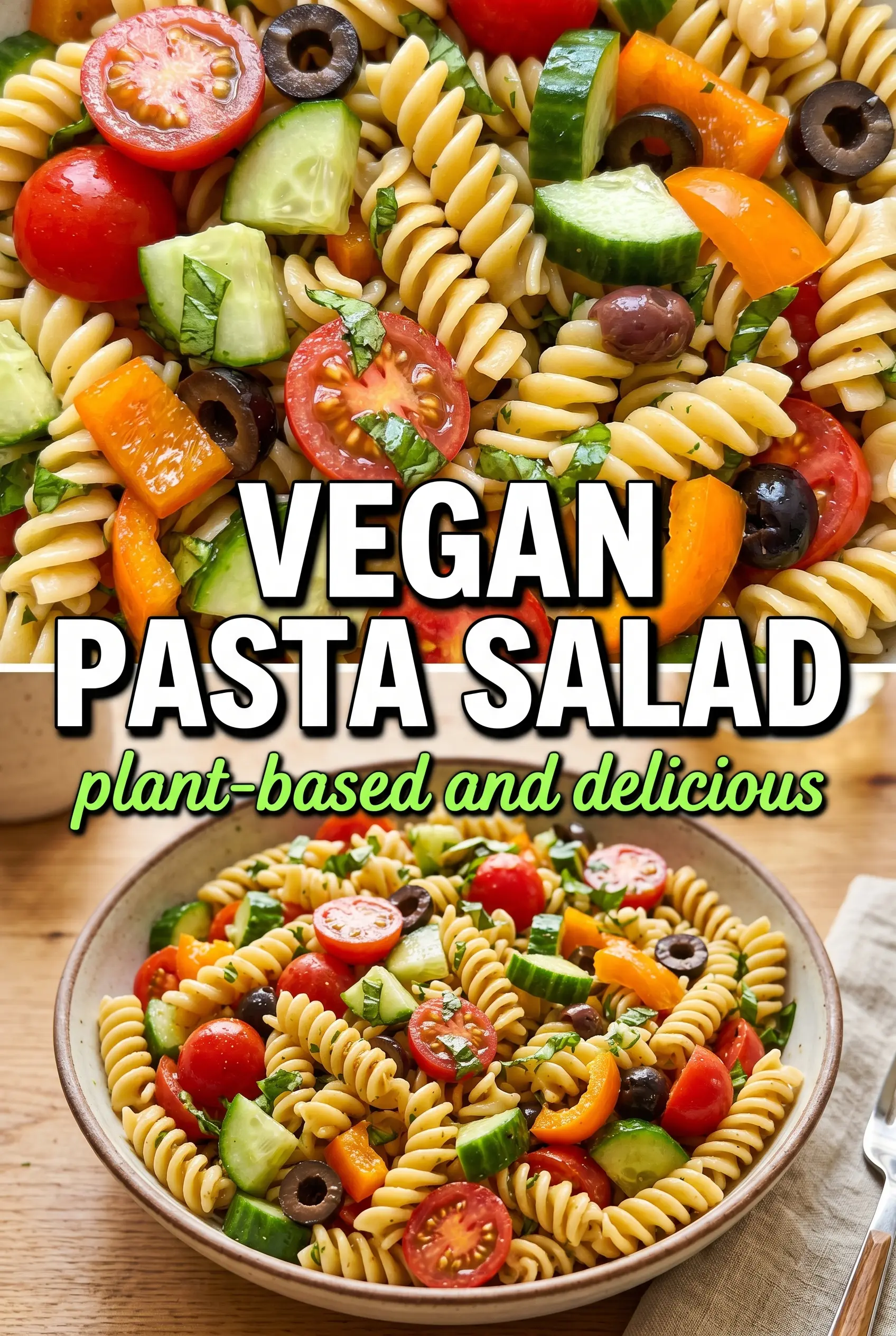
Vegan Pasta Salad
Ingredients
Equipment
Method
- Cook the pasta according to package directions until tender, then drain and rinse with cold water to stop the cooking.
- Whisk tahini, lemon juice, olive oil, garlic, Dijon mustard, salt, and pepper, then add water a little at a time until the dressing reaches a pourable, creamy consistency.
- Combine the drained pasta, cherry tomatoes, cucumber, bell peppers, red onion, and chickpeas in a large bowl.
- Pour the tahini dressing over the salad and toss until everything is evenly coated.
- Refrigerate for at least 1 hour to let the flavors meld and the salad cool.
- Just before serving, garnish with fresh herbs for a bright finish and color.