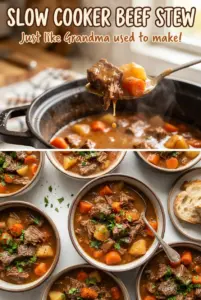
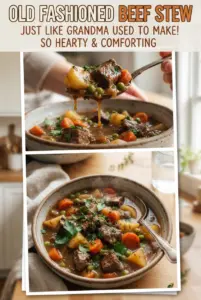
Deep, dark Guinness beef stew lands on the table with spoon-tender beef, sweet carrots, earthy parsnips, and potatoes that hold their shape just enough to soak up the broth. The best versions taste layered, not heavy: a rich stout base, browned beef drippings, and vegetables that mellow into the sauce instead of turning it muddy.
This version works because the beef gets properly browned before the liquid goes in, and the pot gets deglazed with Guinness while the pan is still hot. That step pulls up every bit of flavor stuck to the bottom, which is where the stew gets its depth. A little brown sugar softens the stout’s edge without making it sweet, and the vegetables go in late enough to stay intact.
Below, you’ll find the timing that keeps the beef tender instead of stringy, plus a few smart swaps if you don’t have parsnips on hand. There’s also a storage note worth reading before you make it, because this stew gets even better after a day in the fridge.
The beef turned out fall-apart tender and the sauce thickened up beautifully after that long simmer. I loved that the Guinness flavor stayed deep instead of bitter, and the potatoes held their shape right to the end.
Save this Guinness beef stew for the kind of night that needs a dark, rich broth and fork-tender beef.
The Secret to Tender Beef in a Dark Stew Base
The biggest mistake in beef stew is rushing the early stages. If the beef goes into the pot pale, the broth tastes flat no matter how long it simmers. Browning the cubes in batches creates a crust, and that crust is what gives the stew its deep, almost roasted flavor.
Guinness is strong enough to stand up to beef, but it can taste sharp if you dump it in and move on. Let it hit the hot pot, scrape the bottom well, and give it a minute to cook down before the broth goes in. That short pause rounds out the bitterness and helps the stew taste balanced instead of muddy.
- Beef chuck — This cut has enough connective tissue to turn tender during a long simmer. Lean stew meat dries out more easily and never gives you the same silky bite.
- Guinness stout — The stout brings roasted depth and a slight bitterness that works with beef. A dark lager won’t give the same backbone.
- Tomato paste — It adds body and a little sweetness while reinforcing the savory base. Cooking it for a full minute before adding liquid keeps it from tasting raw.
- Parsnips and potatoes — Parsnips add a gentle sweetness that fits the stout, while potatoes make the stew feel complete. Add both late so they stay intact.
What Each Ingredient Is Actually Doing in the Pot

- Beef chuck — Cut it into larger 1 1/2-inch cubes so it stays juicy through the long simmer. Smaller pieces can fall apart before the vegetables are done.
- Flour — The flour helps the beef brown and gives the stew a little natural body. Don’t add too much or the pot turns pasty instead of glossy.
- Onions and garlic — The onions melt into the base and the garlic adds quiet depth. Let the onions soften before the tomato paste goes in so they don’t taste harsh.
- Worcestershire sauce and brown sugar — Worcestershire sharpens the savory side, while brown sugar smooths the stout’s bitterness. Neither one makes the stew sweet when used in the right amount.
- Carrots, parsnips, and potatoes — These go in near the end because they need less time than the beef. If they simmer from the start, they break down and cloud the broth.
Building the Stew So the Beef Stays Tender
Browning the Beef in Batches
Season the beef, toss it with flour, and brown it in hot oil without crowding the pan. You want deep brown edges, not gray cubes sitting in their own steam. If the meat starts to sweat, the pot is too full or the heat is too low. Work in batches and keep the pieces moving only after they’ve had a chance to sear.
Cooking Down the Aromatics
Once the beef comes out, the onions go into the same pot and pick up the leftover flavor. Cook them until they soften and look glossy, then add the garlic and tomato paste for a short minute. If the paste sticks hard and darkens too fast, pull the pot off the heat for a moment so it doesn’t turn bitter.
Deglazing With Guinness
Pour in the Guinness and scrape every browned bit from the bottom. That’s the flavor base of the whole stew, so don’t leave it stuck to the pan. Let the stout simmer for a minute before the broth goes in; otherwise the bitterness stays sharp and the stew tastes thin.
The Long Simmer and the Vegetable Finish
Return the beef, cover the pot, and let it simmer gently until it’s starting to yield when pierced. The heat should stay low enough that you see only the occasional bubble. Add the carrots, parsnips, and potatoes after the meat has already softened, then keep simmering until the vegetables are tender and the broth has turned glossy and slightly thick.
Ways to Adjust the Pot Without Losing the Stew
Skip the Parsnips if You Can’t Find Them
Use extra carrots or a small sweet potato instead. The stew will lose a little of that earthy-sweet note parsnips bring, but it still lands in the same cozy place.
Make It Gluten-Free
Swap the all-purpose flour for a gluten-free flour blend or use cornstarch at the end to thicken lightly. Check that your Worcestershire sauce is gluten-free too, since some brands contain malt vinegar.
Use a Different Stout
Any dry stout will work if Guinness isn’t in the fridge. Choose one that tastes roasty rather than sweet, or the stew can lean heavy instead of balanced.
Storage and Reheating
- Refrigerator: Keeps for 4 days and gets even better as the flavors meld.
- Freezer: Freezes well for up to 3 months. Cool it completely first, then pack it in airtight containers with a little headspace.
- Reheating: Warm it slowly on the stove over low heat with a splash of broth if needed. High heat can toughen the beef and break the potatoes apart.
Answers to the Questions Worth Asking
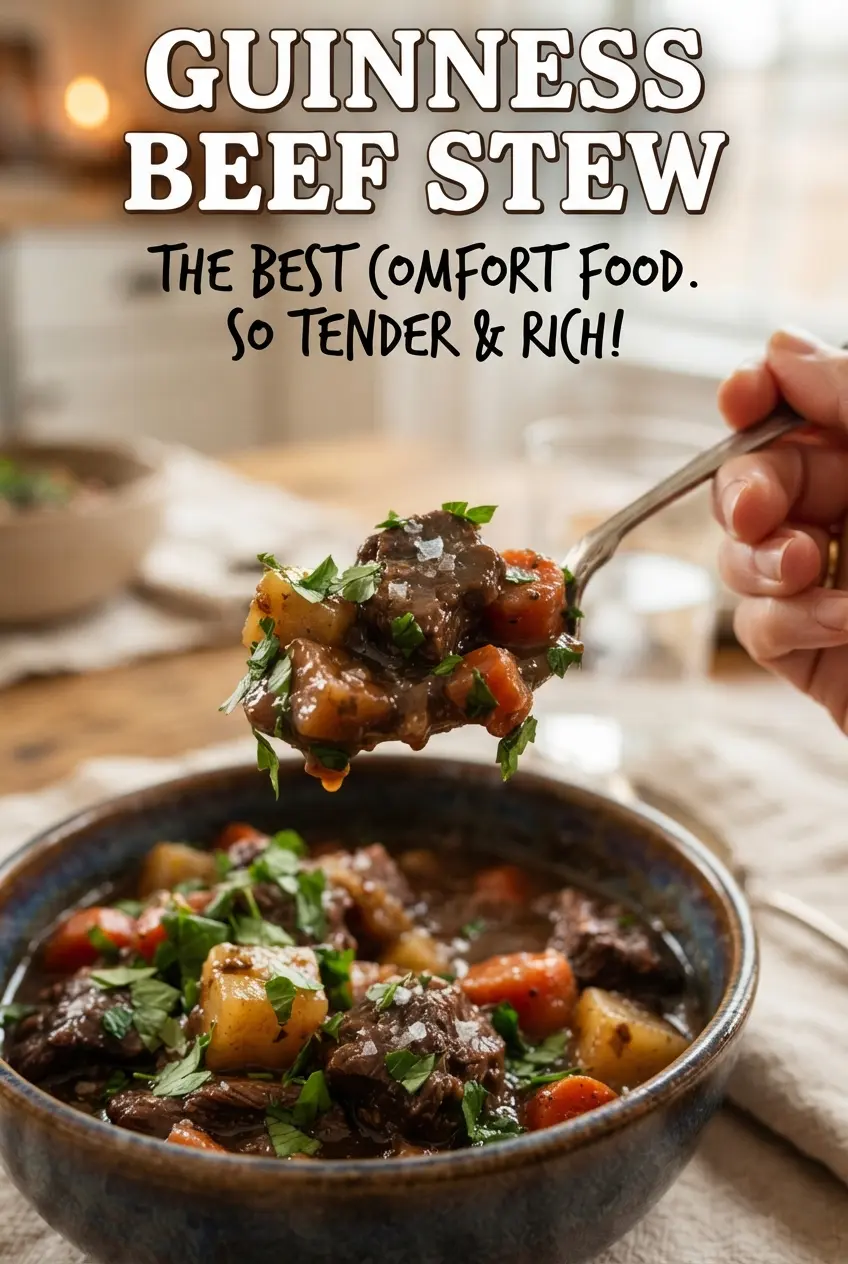
Guinness Beef Stew
Ingredients
Equipment
Method
- Season the beef with salt and black pepper, then toss with the flour until evenly coated and the cubes look lightly dusted. Transfer to a plate so they brown in batches.
- Heat the vegetable oil in a Dutch oven over medium-high heat until shimmering, then brown the beef in batches for about 3-4 minutes per side. Look for deep brown edges and a dry, crusted surface before moving to the next batch.
- Add the chopped onions to the Dutch oven and cook for 5 minutes, stirring until softened and glossy. Scrape up any browned bits with the spoon.
- Add the minced garlic and tomato paste, cooking for 1 minute while stirring to remove any raw smell. The tomato paste should darken slightly.
- Pour in the Guinness stout and scrape the bottom thoroughly so all the browned bits dissolve into the sauce. Bring to a gentle simmer.
- Add the beef broth, Worcestershire sauce, brown sugar, dried thyme, and bay leaves, stirring to combine. The liquid should turn nearly black and evenly colored.
- Return the browned beef to the pot, then cover with a tight lid and simmer gently for 2 hours. Keep the stew at a low bubbling level so the meat stays tender.
- Add the carrots, parsnips, and cubed potatoes, then simmer uncovered or partially covered for 45-60 minutes until the vegetables are tender. Look for knife-tender potatoes and carrots that pierce easily.
- Remove the bay leaves and sprinkle the stew with chopped fresh parsley before serving. The top should look flecked with green and smell herbaceous.