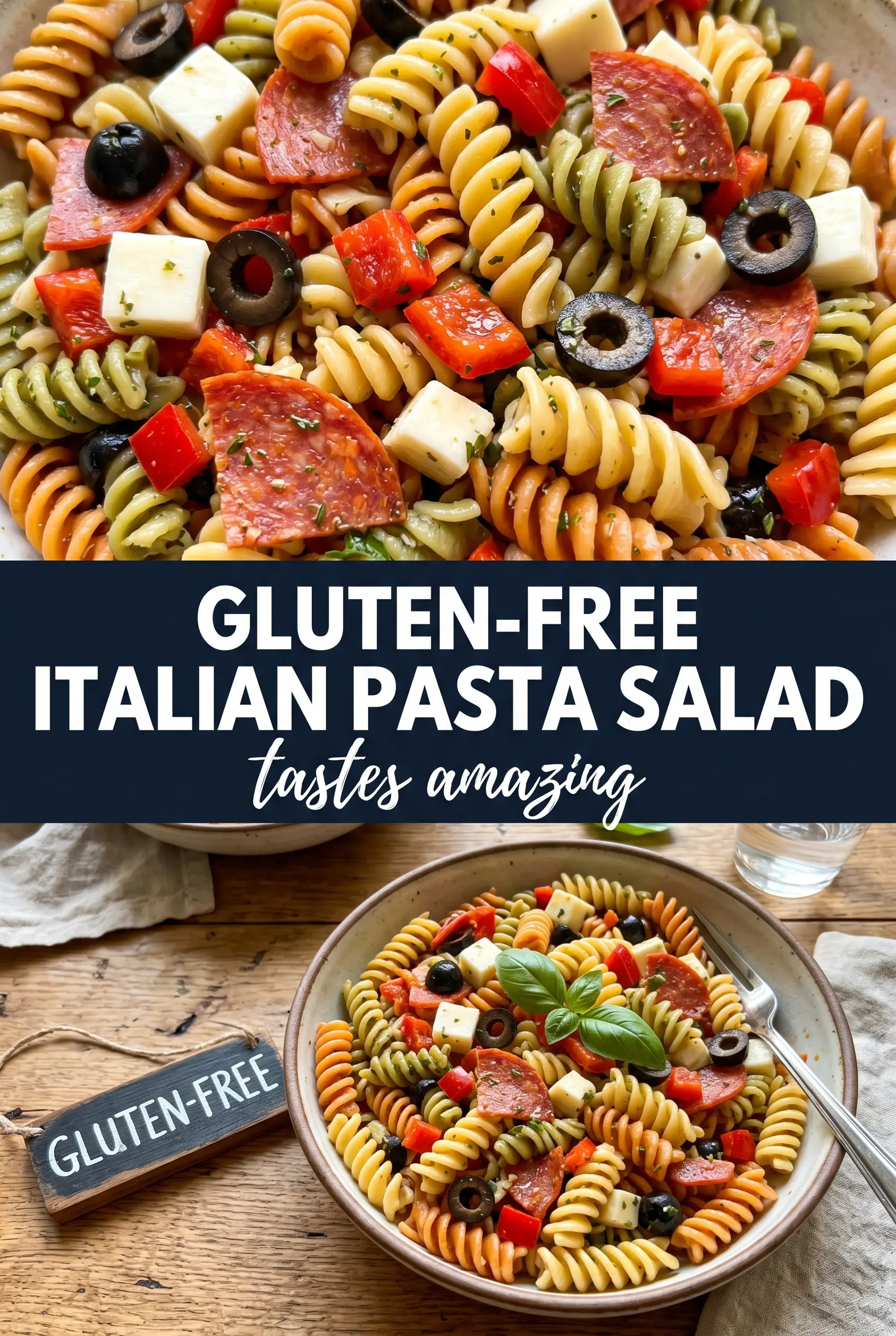
Gluten-free Italian pasta salad lands best when the pasta still has a little bite and the dressing has had time to settle into every ridge. The mix of salami, mozzarella, crisp vegetables, and tangy Italian dressing gives you the full deli-salad experience without the heavy, soggy texture that can happen when gluten-free pasta is handled like regular pasta.
The trick is treating the pasta gently from the start. Gluten-free noodles need a careful boil, a thorough rinse, and enough chilling time to firm back up before the salad gets judged at the table. A good Italian dressing matters here too, because it seasons the pasta and pulls the whole bowl together without needing a complicated sauce.
Below, you’ll find the details that keep this salad fresh instead of mushy, plus a few swaps that help it work for different diets and make-ahead situations.
The gluten-free pasta held up beautifully after chilling, and the dressing soaked into everything without making it soft. I added a little extra before serving and it tasted just like the deli pasta salad I used to miss.
Gluten-free Italian pasta salad stays bright, sturdy, and picnic-ready after a good chill.
The Part Most People Get Wrong With Gluten-Free Pasta Salad
Gluten-free pasta salad falls apart when the noodles are cooked until they’re soft like hot dinner pasta. That works fine when the pasta is meant to be served immediately, but for a chilled salad, that extra softness turns into a gummy, swollen bowl after an hour in the fridge. Cooking the pasta just to al dente, then rinsing it cold, stops the carryover cooking and gives the salad a firmer base to absorb dressing without collapsing.
The second thing that matters is timing. This salad needs that full chill so the dressing can settle in and the flavors can mingle, but the pasta also needs to be dry enough after rinsing that it doesn’t water down the bowl. If it looks a little blunt and firm right after draining, that’s fine. It will loosen just enough as it sits.
What Each Ingredient Is Actually Doing in This Bowl
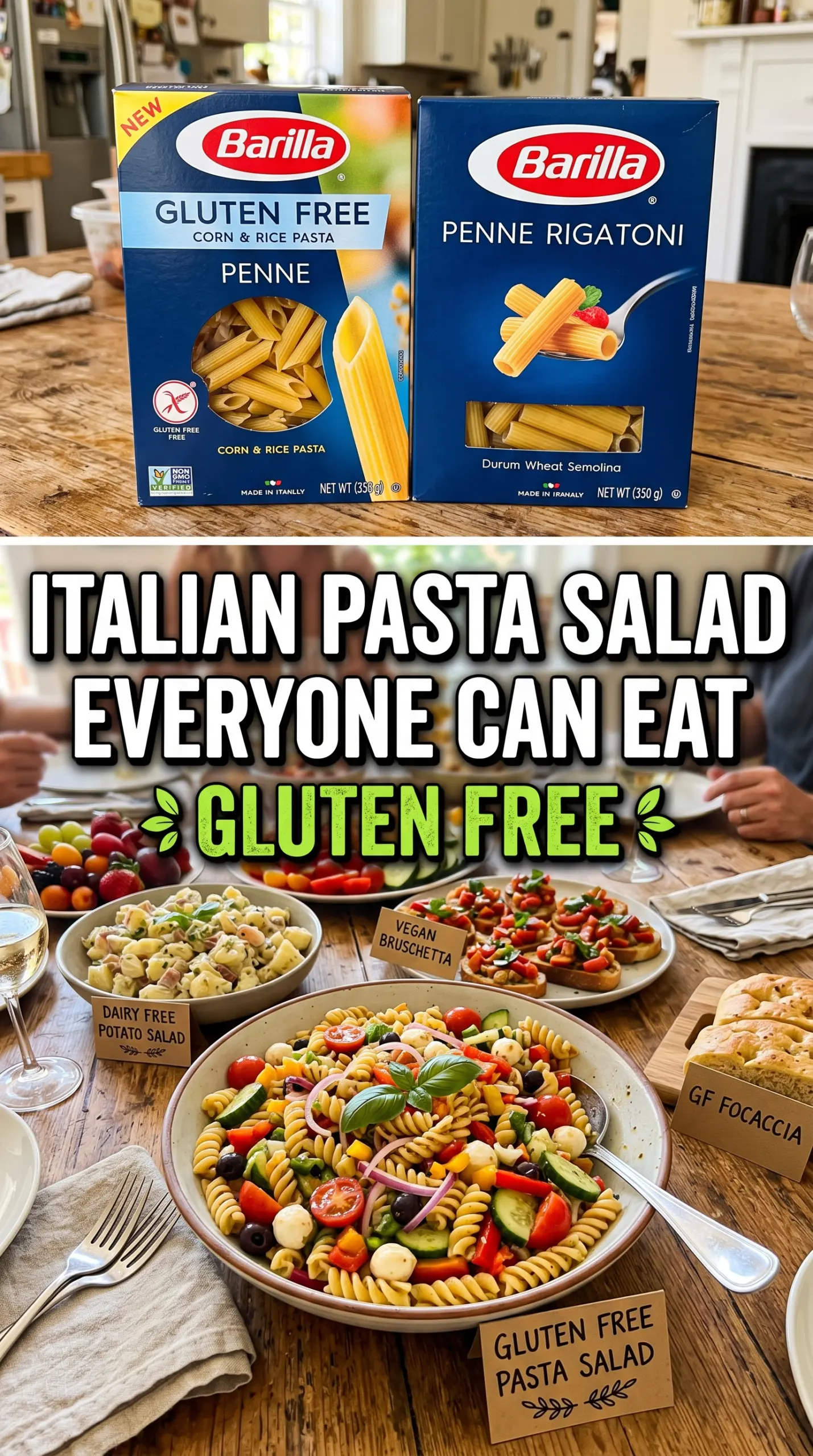
- Gluten-free pasta — This is the backbone, so pick a shape with ridges or curves that hold dressing. Rotini is my first choice because the spirals catch the salami bits, olives, and seasoning better than a smooth noodle.
- Italian dressing — This does the heavy lifting for both flavor and moisture. A good bottled dressing works well here, but if yours is especially sharp, start with a little less and add more after chilling so the pasta doesn’t drink up too much too fast.
- Mozzarella and salami — These bring the cold-cut salad feel and help the dish eat like lunch, not just a side. Cubing them small keeps every bite balanced instead of giving you one heavy chunk at a time.
- Cherry tomatoes, cucumber, onion, and olives — These add crunch, salt, and freshness. Cut them small enough to mingle with the pasta; large pieces slide off the fork and throw off the texture.
How to Keep the Pasta Firm, the Dressing Bright, and the Salad Cold
Cooking the Pasta for a Chill Salad
Boil the gluten-free pasta according to the package, but start tasting early because many brands go from firm to soft fast. Stop when it’s just al dente, then drain it right away and rinse under cold water until the pasta is no longer warm. That rinse matters here; it washes off excess starch and keeps the salad from turning sticky as it chills.
Building the Bowl Without Crushing the Texture
Combine the cooled pasta with the salami, mozzarella, vegetables, olives, and onion in a large bowl so you can toss without smashing the pieces. Add the dressing, Parmesan, and Italian seasoning, then fold everything together gently until the pasta is evenly coated. If you stir too aggressively, some gluten-free shapes can break apart at the edges, which makes the salad look tired before it even chills.
Chilling Until the Flavor Sets
Refrigerate the salad for at least 2 hours before serving. This gives the dressing time to soak in and the pasta time to firm up again after rinsing. Right before serving, toss it again and check the texture; gluten-free pasta often absorbs more dressing than expected, so a splash more can wake the whole bowl back up.
Three Ways to Make This Work for Different Tables
Dairy-Free Version
Leave out the mozzarella and Parmesan, then add a handful of chopped artichoke hearts or more olives for richness and salt. The salad loses some creaminess, but the dressing and salami still carry plenty of flavor.
Vegetarian Swap
Skip the salami and add chopped roasted red peppers, chickpeas, or extra cucumber and tomatoes. You’ll lose the deli-style savory edge, so bump up the dressing and Parmesan to keep the salad from tasting flat.
Gluten-Free Pasta That Holds Better
If you’ve had gluten-free pasta turn mushy before, choose a sturdy rotini or penne made from corn and rice rather than a very delicate blend. Those shapes usually keep their bite longer after chilling, which matters more than the exact brand.
Storage and Reheating
- Refrigerator: Store covered for up to 3 days. The pasta will absorb more dressing as it sits, so expect it to soften a little and save a spoonful of dressing for refreshing it.
- Freezer: I don’t recommend freezing this salad. The vegetables lose their crunch and the cheese changes texture after thawing.
- Reheating: Don’t reheat this one; it’s meant to be served cold. If it tightens up in the fridge, let it sit at room temperature for 10 to 15 minutes and toss in a little more dressing before serving.
Answers to the Questions Worth Asking
Gluten-Free Italian Pasta Salad
Ingredients
Equipment
Method
- Cook the gluten-free pasta according to package directions (it may take longer than regular pasta), then drain and rinse with cold water.
- Spread the drained pasta on a sheet pan to cool slightly before assembling the salad.
- Combine the pasta, salami, mozzarella, cherry tomatoes, cucumber, black olives, and red onion in a large bowl.
- Add the gluten-free Italian dressing, Parmesan cheese, and Italian seasoning, then toss to coat evenly.
- Season with salt and pepper to taste.
- Refrigerate for at least 2 hours before serving, so the pasta absorbs the dressing and the vegetables stay crisp.
- Toss again right before serving and adjust dressing if needed.