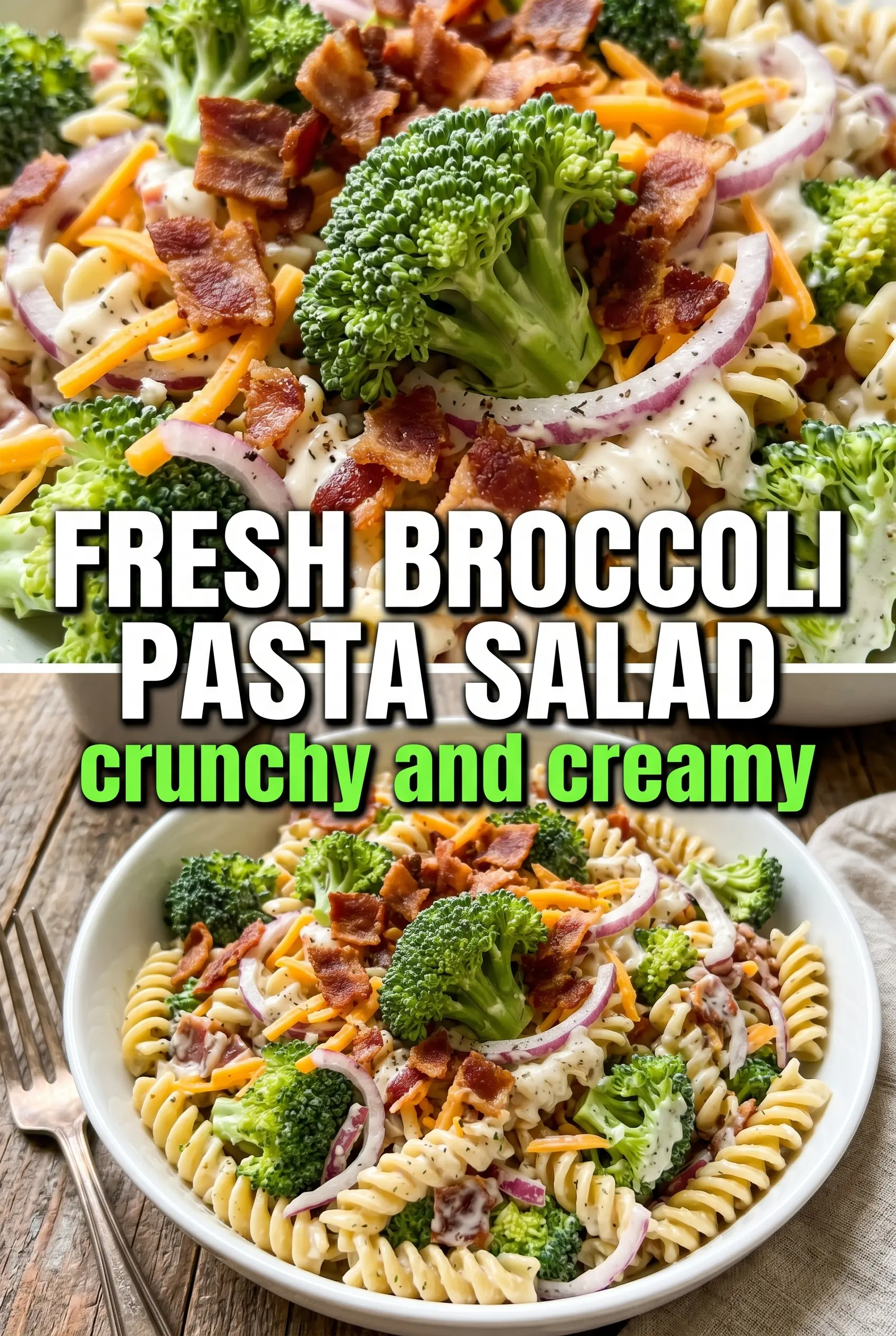
Fresh broccoli pasta salad earns its spot because it stays crisp, creamy, and balanced instead of turning limp or overly sweet. The broccoli keeps a little bite, the bacon adds salt and crunch, and the dried cranberries give just enough tang to keep every forkful interesting. It’s the kind of side dish that disappears fast at cookouts, potlucks, and weeknight dinners alike.
The trick is treating each component differently. The pasta gets cooked until just tender, then rinsed cold so it doesn’t keep softening. The broccoli is briefly blanched, which takes the raw edge off without sacrificing that bright green color or snap. The dressing is simple on purpose: mayonnaise for body, apple cider vinegar for lift, and a little sugar to round everything out.
Below, I’ll walk through the one step that keeps the salad from tasting flat after chilling, plus a few swaps that help you adapt it for different diets and whatever you’ve got in the fridge.
The broccoli stayed crisp after chilling and the dressing coated everything without getting heavy. I added the bacon right before serving and it kept the texture perfect.
Creamy broccoli pasta salad with bacon, cranberries, and crunchy sunflower seeds is the kind of side dish that never comes home with leftovers.
The Step That Keeps Broccoli Salad Crisp After Chilling
Most broccoli pasta salads fail in one of two ways: the broccoli stays too raw, or the whole bowl turns soggy after it sits. Blanching the florets for just two minutes solves the first problem, and the ice bath stops the cooking fast enough to protect the color and texture. Drain them well before mixing, because any extra water will thin the dressing and make the pasta slippery.
The other thing that matters is cooling the pasta completely before you add the dressing. Warm pasta drinks up the mayonnaise and changes the texture, which is how you end up with a salad that feels greasy instead of creamy. Cold pasta and dry broccoli give the dressing something to cling to.
What Each Ingredient Is Actually Doing Here
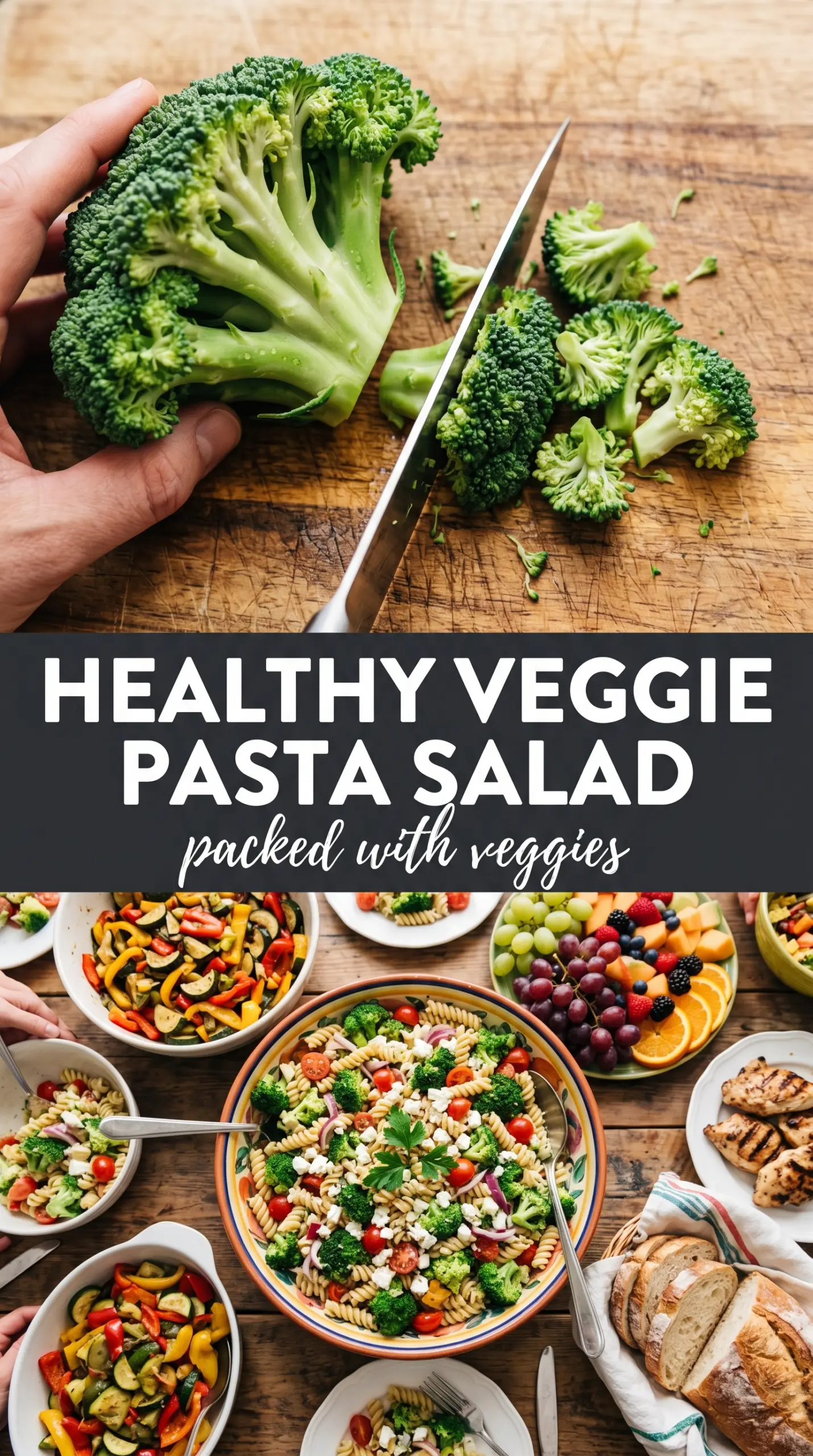
- Rotini or bow-tie pasta — Both shapes hold the dressing in little ridges and folds, which is what makes every bite feel coated instead of plain. Rotini clings a little better; bow-ties give a softer, more picnic-style look. Use whichever you have, but cook it just to al dente so it doesn’t collapse after chilling.
- Broccoli florets — This is the ingredient you don’t want to skip or overdo. Fresh broccoli gives the salad its crunch and color, and blanching briefly keeps it from tasting harsh. Frozen broccoli won’t hold up here because it softens too much and releases excess moisture.
- Bacon — Bacon brings salt, smoke, and crunch that balance the sweet dressing. You can cook it until crisp, then crumble it fine so it spreads through the salad. If you need a lighter version, turkey bacon works, but the flavor will be less rich.
- Mayonnaise — This is the base of the dressing, and it’s what gives the salad its creamy body. Use a mayo you like eating on its own, because there isn’t much else to hide behind here. Greek yogurt can replace part of it, but the dressing will turn tangier and a little thinner.
- Apple cider vinegar and sugar — These two balance each other. The vinegar cuts through the mayo, and the sugar softens the sharp edge so the dressing tastes rounded instead of flat. If you cut the sugar, add a touch more vinegar carefully, because the salad needs both brightness and a little sweetness.
- Dried cranberries and sunflower seeds — Cranberries give chewy bursts of tartness, and sunflower seeds add the final crunch. Together they keep the salad from eating like plain pasta in dressing. If you want a nuttier note, chopped toasted almonds can step in for the sunflower seeds.
Building the Salad So It Stays Creamy, Not Watery
Cooking the Pasta Just Right
Boil the pasta until it’s tender but still has some firmness in the center, then drain it and rinse under cold water right away. That rinse stops the cooking and washes off surface starch, which helps keep the dressing from turning gummy. If the pasta is overcooked at this stage, it’ll go soft once it sits in the fridge and the whole salad loses its structure.
Blanching the Broccoli
Drop the florets into boiling water for about two minutes, just until they turn brighter green and the stems lose that raw crunch. Move them straight into ice water so they stop cooking instantly. Drain them thoroughly after that, because leftover water is the fastest way to dilute the dressing.
Mixing the Dressing
Whisk the mayonnaise, vinegar, sugar, salt, and pepper until smooth before it touches the bowl. A fully blended dressing coats the pasta more evenly than one mixed in after everything else is combined. Taste it before you pour it in; it should lean slightly tangy because the chilled salad will taste a little milder later.
Chilling Before Serving
Once everything is tossed together, refrigerate the salad for at least two hours. That resting time lets the pasta absorb the dressing and brings the flavors together. If you serve it right away, the dressing will taste loose and the broccoli won’t have had time to settle into the mix.
Three Ways to Make This Pasta Salad Fit Your Table
Dairy-Free and Gluten-Free Adjustments
This salad is naturally dairy-free as written, as long as your mayonnaise is dairy-free, which most are. For gluten-free, swap in a gluten-free pasta that holds its shape well, like a brown rice or corn blend, and rinse it extra well so the dressing doesn’t grab onto surface starch.
Make It Vegetarian Without Losing the Crunch
Leave out the bacon and add another salty, crunchy element like toasted pepitas or chopped salted almonds. The salad will taste a little cleaner and less smoky, so add a pinch more salt and a tiny splash more vinegar to keep the dressing balanced.
Swap the Sweet-Tart Bits
If you’re out of dried cranberries, chopped dried cherries or raisins will work. Cherries keep the tart edge closest to the original, while raisins lean sweeter and make the dressing taste softer. Use the same amount, then taste after chilling and add a little more vinegar if needed.
Storage and Reheating
- Refrigerator: Store covered for up to 4 days. The broccoli will soften a little, but the flavor stays good.
- Freezer: I don’t recommend freezing this salad. The mayonnaise separates and the broccoli turns mushy after thawing.
- Reheating: This salad is meant to be served cold. If it tightens up in the fridge, let it sit on the counter for 15 to 20 minutes and stir in a spoonful of mayo or a splash of vinegar rather than heating it.
Questions I Get Asked About This Recipe
Fresh Broccoli Pasta Salad
Ingredients
Equipment
Method
- Cook the rotini or bow-tie pasta according to package directions, then drain and rinse with cold water until cool to the touch, so it won’t overcook in the salad.
- Blanch the broccoli florets in boiling water for 2 minutes, then plunge them into ice water and drain thoroughly so they stay bright green and crisp-tender.
- Whisk together mayonnaise, apple cider vinegar, sugar, salt, and pepper until smooth and fully combined, with no sugar streaks visible.
- Combine the pasta, broccoli, bacon, red onion, dried cranberries, and sunflower seeds in a large bowl and toss briefly to evenly distribute the add-ins before dressing goes in.
- Pour the dressing over the salad and toss until every piece looks lightly coated and glossy.
- Refrigerate the broccoli pasta salad for at least 2 hours before serving, so the dressing thickens slightly and the flavors meld.