Bright, chunky pico de gallo should taste like fresh tomatoes at their peak, not watery salsa with a few herbs floating in it. When it’s done right, every spoonful gives you tomato sweetness, onion bite, jalapeño heat, and lime that lifts everything without turning the bowl soggy. This version earns a permanent spot because it stays crisp enough to scoop and balanced enough to eat by the forkful.
The difference is in the prep. Roma tomatoes hold their shape better than juicier slicing tomatoes, and removing some of the seeds keeps the bowl from flooding while it rests. Finely dicing the onion and mincing the jalapeños helps the flavors blend fast, so the 15-minute rest is enough to soften the sharp edges without losing that fresh crunch.
Below, I’m sharing the small details that keep pico de gallo from turning into tomato soup, plus a few smart ways to adjust the heat, the salt, and the texture depending on what you’re serving it with.
I finally got pico de gallo that stayed chunky instead of turning watery after sitting out. Removing some of the tomato seeds and letting it rest before serving made a huge difference, and the lime really woke everything up.
Keep this chunky pico de gallo on hand for tacos, eggs, and chips whenever you want something fresh, sharp, and crisp.
Why Your Pico De Gallo Turns Watery Before You Serve It
The biggest mistake with pico de gallo is treating all tomatoes the same. Juicy tomatoes can taste great in a salad, but in salsa they dump liquid fast, which dilutes the salt, flattens the lime, and turns every chip into a drip hazard. Roma tomatoes are the safer choice because they’re meatier and hold their structure after salting.
Another thing that matters is the cut. If the onion is chopped too large, it stays sharp and awkward instead of blending into the mix. If the jalapeños are left in big pieces, you get random blasts of heat instead of a steady, even bite. The rest time isn’t optional either. Those 15 minutes let the salt draw out just enough tomato juice to season the bowl without making it soupy, and the flavors settle into each other instead of tasting separate.
What Each Ingredient Is Actually Doing In The Bowl
- Roma tomatoes — These give you the body of the salsa. Their lower water content keeps the texture chunky, and that matters more here than in almost any other fresh salsa. If you need to swap, use the firmest tomatoes you can find and scoop out more of the seeds so the bowl doesn’t loosen up.
- White onion — White onion brings the clean, sharp bite this style of pico needs. Red onion works in a pinch, but it adds a sweeter edge and a different color. Dice it very small so it seasons the salsa evenly instead of reading as raw onion chunks.
- Jalapeños — They give heat without overwhelming the fresh tomato flavor. For a milder bowl, remove the seeds and membranes; for more fire, leave some in. If your peppers are large, start with one and taste after the rest before adding more.
- Cilantro and lime juice — These two carry the bright top notes. Fresh lime juice matters here because bottled juice tastes flatter and more metallic in a raw salsa. Cilantro should be chopped fine so it blends into the mix instead of clumping on top.
How To Keep The Texture Fresh From The First Toss To The Last Chip
Prepping The Tomatoes
Cut the Roma tomatoes into small, even dice and remove the loose seeds and excess juice as you go. You don’t need to dry them out completely, but you do want to avoid adding the watery center to the bowl. If the tomatoes are very soft, use a spoon to gently scoop out the seedy core before dicing. That one move keeps the finished pico bright and scoopable instead of muddy.
Balancing The Onion And Heat
Finely dice the white onion and mince the jalapeños so neither one dominates the bite. The onion should disappear into the salsa’s texture, not sit on top like a garnish. If you want less heat, take out the ribs and seeds from the jalapeños; if you want more, keep some of the white membrane. The key is even size, because uneven pieces make the flavor feel harsh in some bites and dull in others.
Letting The Salt Do Its Work
After everything is in the bowl, add the lime juice, salt, and pepper, then toss gently. The salt starts pulling juices from the tomatoes right away, which is why the 15-minute rest changes the final texture. Stir once or twice during that time if the top looks dry. If the bowl starts looking wet, that’s normal; give it a final stir before serving so the seasoned liquid coats everything evenly.
How To Adapt This For Different Heat Levels And Serving Plans
Mild Pico With A Softer Bite
Use only one jalapeño and remove every seed and membrane. You’ll still get the fresh pepper flavor, but the heat stays in the background, which works better for kids or for serving alongside spicy tacos.
Extra-Zippy Pico For Tacos And Grilled Meat
Add a little more lime juice and keep some jalapeño seeds in the mix. The result is sharper and more aggressive, which cuts through rich fillings like carnitas, steak, or cheesy huevos rancheros.
Cilantro-Free Version
Skip the cilantro entirely if you’re cooking for someone who hates it. The salsa still works, but it tastes cleaner and more tomato-forward. Add a little extra lime and a pinch more onion to keep it lively.
Storage and Reheating
- Refrigerator: Store for up to 2 days. The tomatoes will soften and release more juice as it sits, so the texture gets looser after the first day.
- Freezer: Don’t freeze it. Fresh pico de gallo loses its crisp texture completely after thawing and turns mushy.
- Reheating: No reheating needed. If the salsa gets watery in the fridge, drain off a little liquid and stir in a squeeze of fresh lime before serving.
Answers To The Questions Worth Asking
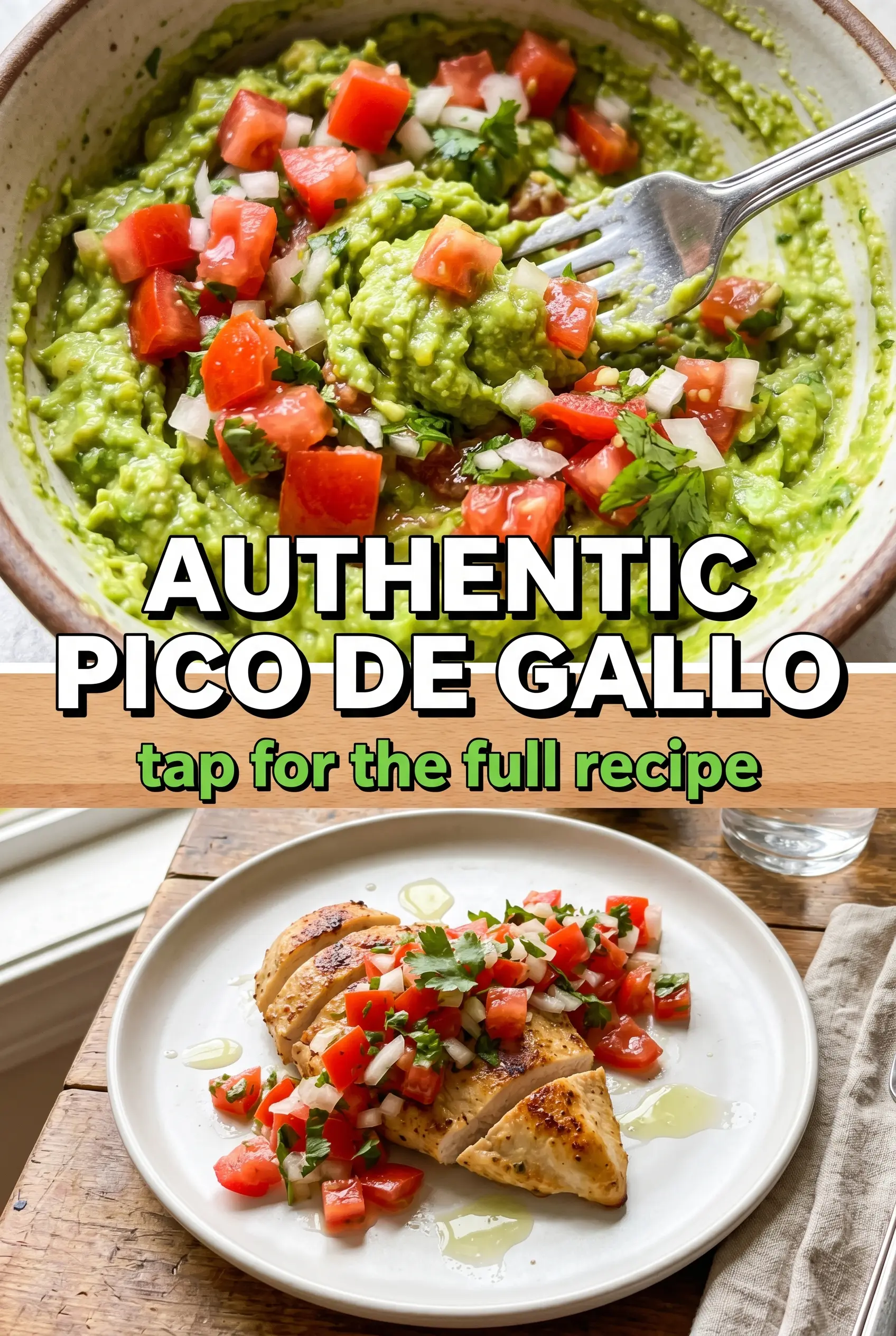
Authentic Pico de Gallo
Ingredients
Method
- Dice the Roma tomatoes finely, removing excess seeds and juice, then place them in a bowl.
- Finely dice the white onion and add it to the bowl with the tomatoes.
- Mince the jalapeños and cilantro, then add them to the bowl.
- Squeeze the lime juice over the mixture, then sprinkle with salt and black pepper.
- Gently toss all ingredients together until evenly mixed.
- Let the pico de gallo sit for at least 15 minutes before serving so the flavors meld.
- Serve as a condiment with tacos, chips, or eggs.