Authentic Mexican rice earns its place on the table because the grains stay separate, fluffy, and coated in a deep tomato base that tastes like it simmered longer than it did. The color should be vivid red, the vegetables should be visible, and the finished pan should smell savory and a little toasty, not wet or bland.
The trick is to toast the rice in oil until it turns translucent before anything liquid goes in. That step builds flavor and helps the grains hold their shape instead of turning soft and sticky. Tomato sauce gives the rice its signature color and body, while the broth seasons every bite from the inside out. A short covered rest at the end matters just as much as the simmer, because it finishes the rice gently without letting the bottom scorch.
Below you’ll find the timing that keeps the rice fluffy, plus a few practical swaps and fixes for the most common problems, like mushy rice or a pan that sticks before the liquid is absorbed.
The rice came out fluffy with every grain separate, and the tomato flavor tasted rich without getting heavy. Toasting the rice first made all the difference, and the peas and carrots stayed bright.
Save this Mexican rice for the nights when you want fluffy grains, a tomato-rich finish, and an easy side that tastes like it came from a good taqueria.
Why Toasting the Rice Before the Liquid Changes Everything
Most mushy Mexican rice starts with rice that went straight into broth. Toasting the grains in oil first gives them a light coating that helps them stay separate, and it adds that nutty, almost savory note you can taste in the finished dish. You’re not trying to brown the rice deeply. You want it to look a little opaque and smell toasted, with just a few grains taking on pale golden edges.
That first stage also protects the texture later when the tomato sauce and broth go in. If the rice stays pale and raw, it tends to drink up liquid unevenly and can turn soft before the center is fully cooked. The onion and garlic go in after the rice has started to toast, so they perfume the pan without burning in the oil.
What Each Ingredient Is Doing in the Pan
- Long-grain white rice — This is the best choice because it stays fluffy and distinct. Short-grain rice turns softer and stickier, which fights the style of this dish.
- Tomato sauce — It gives the rice its red color and a smooth, even tomato flavor. Fresh tomato can work, but it won’t deliver the same consistent body or color.
- Chicken broth — This seasons the rice from the inside out. Water will work in a pinch, but the dish tastes flatter, so add a little extra salt if you use it.
- Carrots and peas — These add texture and the classic look you expect from Mexican rice. Frozen peas go straight in; don’t thaw them first or they can turn soft too fast.
- Bay leaf and cumin — The bay leaf rounds out the broth while cumin adds warmth without making the rice taste like taco seasoning. Keep both modest so the tomato still leads.
- Fresh cilantro — Add it at the end for a clean, bright finish. If you stir it in too early, it loses the fresh flavor that makes the garnish worth using.
Building the Color Without Overcooking the Grain
Toasting the Rice
Heat the oil over medium and stir the rice constantly until it looks translucent in spots and smells nutty, about 3 to 4 minutes. If the heat is too high, the outside of the grains will brown before the inside has a chance to toast evenly, and you’ll get bitter spots. Keep the rice moving so it colors lightly instead of sticking in patches.
Softening the Onion and Garlic
Add the onion and garlic once the rice has toasted. Cook just until fragrant and the onion starts to look slightly glossy. Garlic burns fast in hot oil, and once it turns dark it will make the whole pot taste sharp, so don’t walk away during this part.
Cooking in the Tomato Base
Stir in the tomato sauce and let it cook for a minute or two before the broth goes in. That short cook removes the raw edge from the tomato and helps the sauce cling to the rice instead of sitting on top of it. Once the broth, carrots, peas, bay leaf, cumin, salt, and pepper are in, bring it to a boil, then drop the heat to low right away. A hard simmer is enough; a rolling boil will break the grains and leave you with uneven texture.
The Covered Simmer and Rest
Cover the pan and let the rice cook quietly for 15 minutes. Don’t keep lifting the lid, because every peek releases steam and can leave the center undercooked. When the time is up, take it off the heat and let it rest covered for 5 minutes so the last bit of steam finishes the rice gently. Fluff with a fork, not a spoon, so the grains stay separate, then pull out the bay leaf before serving.
How to Adapt This Rice for Different Tables
Make It Vegetarian
Swap the chicken broth for a good vegetable broth or water plus extra salt. Vegetable broth keeps the rice savory, while water gives a cleaner tomato taste but needs more seasoning to avoid tasting thin.
Make It Dairy-Free and Gluten-Free
This recipe already fits both as written as long as your broth is gluten-free. That makes it an easy side for a mixed table, and the texture doesn’t need any special adjustments.
Add More Vegetables Without Weighing It Down
Dice zucchini or bell pepper very small and add them with the onion so they soften before the liquid goes in. Bigger chunks release too much water and can make the rice cloudy instead of fluffy.
For a Richer, More Tomato-Forward Rice
Use a full 16 ounces of tomato sauce and let it cook for the full minute before adding broth. That deepens the color and gives the rice a fuller tomato taste, but it also makes the dish a little softer in flavor, so don’t skip the cumin and bay leaf.
Storage and Reheating
- Refrigerator: Store in an airtight container for up to 4 days. The rice firms up as it chills, but it still reheats well.
- Freezer: It freezes well for up to 2 months. Cool it completely, pack it flat in freezer bags or containers, and thaw overnight before reheating.
- Reheating: Warm it covered in the microwave with a tablespoon or two of water, or reheat gently on the stove over low heat. The extra moisture turns the rice fluffy again; without it, the grains dry out and the bottom can stick.
Answers to the Questions Worth Asking
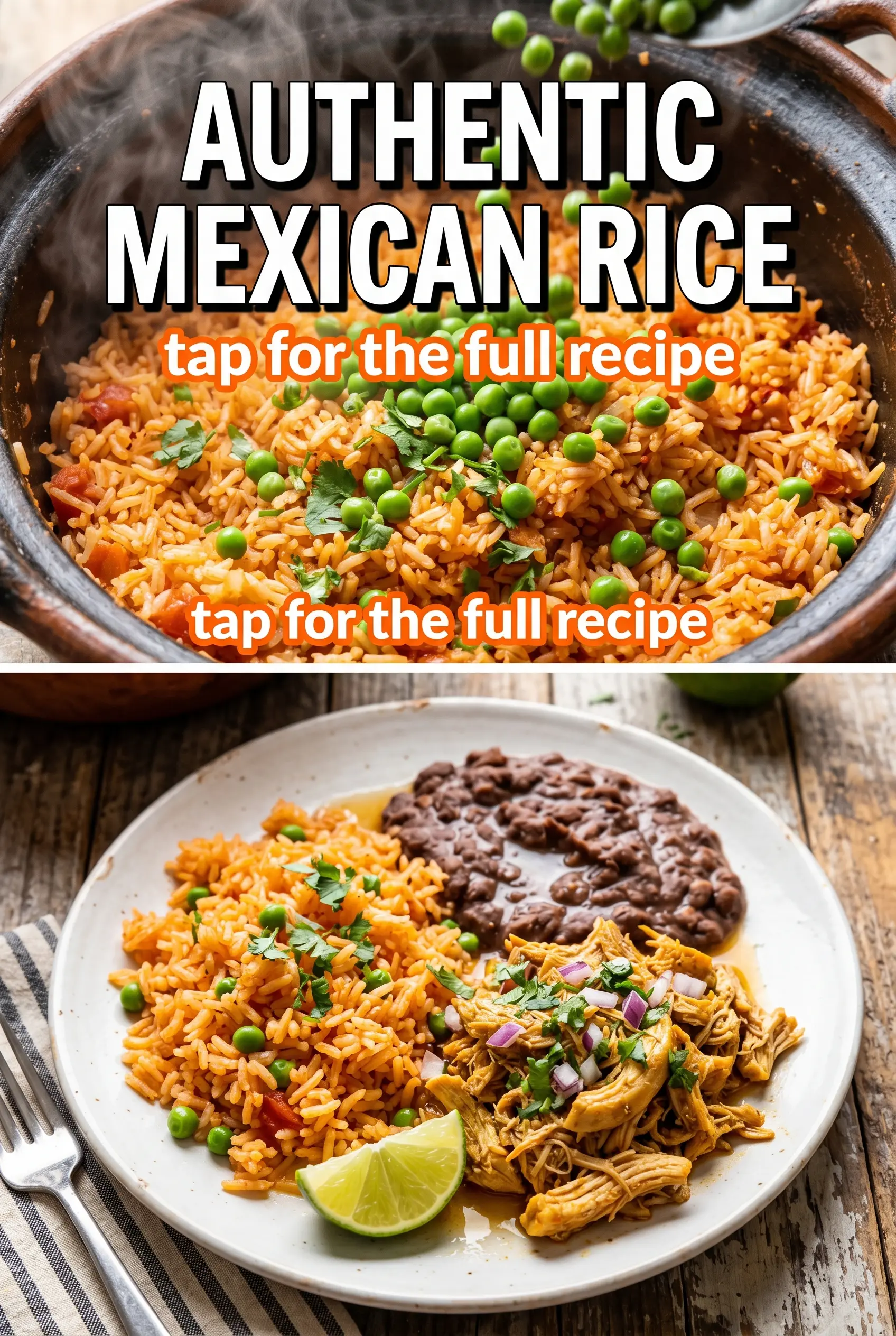
Authentic Mexican Rice
Ingredients
Equipment
Method
- Heat the vegetable oil in a large saucepan over medium heat, then add the rice and stir constantly until it turns translucent and lightly toasted, about 3-4 minutes.
- Add the finely diced white onion and minced garlic, then cook for 1-2 minutes until fragrant.
- Stir in the tomato sauce and cook for 1-2 minutes.
- Add the chicken broth, diced carrots, frozen peas, bay leaf, cumin, salt, and pepper, stirring to combine.
- Bring the mixture to a boil, then reduce heat to low, cover, and simmer for 15 minutes, until the rice is tender and liquid is absorbed (visual cue: gentle bubbling under the lid).
- Remove from heat and let the rice rest covered for 5 minutes to finish steaming.
- Fluff the rice with a fork and remove the bay leaf.
- Garnish with fresh cilantro before serving.