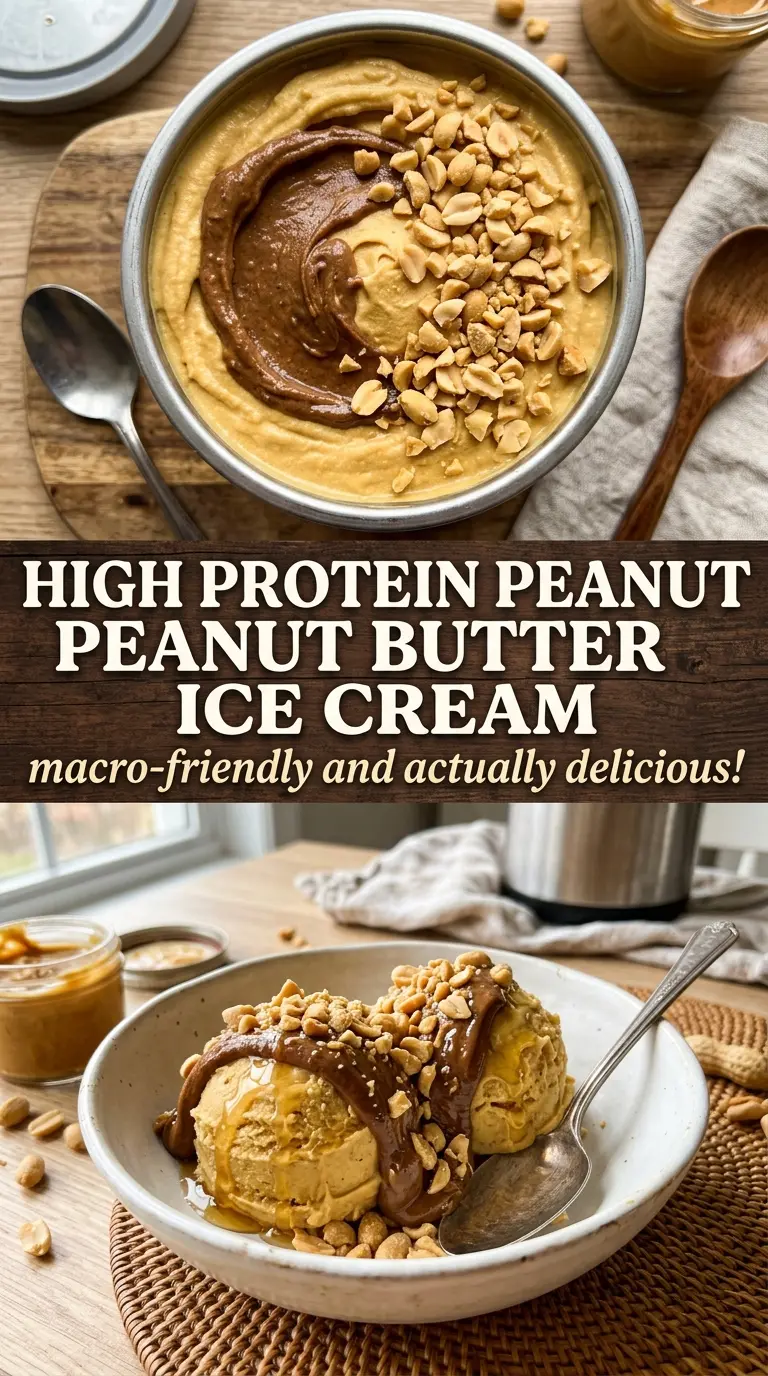
Cold, dense peanut butter ice cream with a clean protein finish is the kind of dessert that disappears fast in this house. The texture lands somewhere between classic scoop-shop ice cream and a thick frozen milkshake, but with a deeper peanut flavor and none of the chalky aftertaste that ruins so many high-protein versions.
The trick is building a base that starts smooth before it ever hits the freezer. Protein powder needs to be fully dissolved, peanut butter needs to be well dispersed, and the sweetener has to be balanced enough to keep the final pint from tasting flat. Freezing it for the full 24 hours matters too; a soft freeze gives you slush, not that dense, scoopable Creami texture people are after.
Below, I’m walking through the small details that make this pint turn out creamy instead of icy, plus the best swap if you want to use whole milk, and the one re-spin move that fixes a grainy batch fast.
The peanut butter flavor came through in every bite, and after one re-spin it turned out thick and creamy instead of icy. My husband said it tasted like a real dessert, not a protein snack.
Creamy, nutty Ninja Creami peanut butter protein ice cream for the nights when you want a rich dessert with a serious protein punch.
The Reason Most Protein Ice Cream Turns Icy Instead of Creamy
The biggest failure point with protein ice cream is a base that never fully comes together before freezing. Protein powder that looks blended enough can still leave tiny dry bits behind, and those bits show up later as grainy spots after spinning. Peanut butter helps with body, but it won’t hide a clumpy base.
The other thing that matters here is freezing the mixture flat and undisturbed for a full 24 hours. If the pint isn’t frozen solid all the way through, the Creami blades can’t shave it properly, and you’ll get a soft, uneven texture that needs extra spins. A proper freeze gives you that dense, almost chewy scoop that makes this style of ice cream work.
- Protein powder — Use a powder you already like the taste of in shakes, because the flavor concentrates once it’s frozen. Vanilla or peanut butter protein works best here.
- Peanut butter — Creamy peanut butter gives the base fat and body that almond milk can’t provide on its own. Natural peanut butter works, but stir it until fully smooth before measuring.
- Sweetener — Sugar gives the cleanest, softest texture. Monk fruit sweetener works for a lower-sugar version, but the final pint may freeze a little firmer.
- Milk choice — Whole milk makes the richest, softest result. Almond milk keeps it lighter, but you’ll rely more on the peanut butter and re-spin to get the same creaminess.
Building the Base So the Freeze Comes Out Smooth
- Milk — Whole milk gives the creamiest result because the extra fat keeps the texture softer after freezing. Almond milk works if you want a lighter pint, but it will be a little icier and usually needs that re-spin with added milk.
- Protein powder — This is the main structure of the recipe, so whisk it patiently until the liquid looks smooth and slightly thickened. If you rush this step, the final texture will taste sandy no matter how well you spin it.
- Creamy peanut butter — This adds the peanut flavor that reads like dessert, not just a protein shake. The texture matters here too; crunchy peanut butter leaves little bits that don’t blend as cleanly in the base.
- Peanut butter chips or mini peanut butter cups — These are best added as a mix-in after spinning, not before freezing. If they go into the base, they get hard and don’t keep their texture.
What the Creami Cycle Needs to Happen in the Right Order
Whisking the Base Until It Looks Finished
Start by whisking the milk, protein powder, peanut butter, sweetener, vanilla, and salt until the mixture looks glossy and completely uniform. Scrape the sides of the bowl as you go, because protein powder likes to hide in the corners and turn into clumps later. The base should look like a thick milkshake before it ever goes into the pint.
Freezing a Flat, Solid Pint
Pour the mixture into the Ninja Creami pint container and freeze it on a level surface for 24 hours. If the top freezes in a dome or the container tilts, the blade won’t shave evenly. The pint needs to be rock solid; if it still feels slushy in the center, it isn’t ready yet.
Spinning, Checking, and Fixing the Texture
Run the Lite Ice Cream setting first. If the result looks dry or a little crumbly, that’s normal for a protein-heavy base. Add 1 tablespoon milk, then Re-spin. Stop there if the texture turns smooth and dense; too many extra spins can make it loose and soupy instead of creamy.
Folding in the Peanut Butter Pieces
Use the Mix-In setting for the peanut butter chips or mini cups. That keeps the pieces distinct instead of melting them into the base. If the ice cream is already soft from extra spinning, chill it for a few minutes before adding mix-ins so they don’t sink.
How to Adapt This Pint Without Losing the Creamy Texture
Use whole milk for the richest result
Whole milk gives you the softest, most scoopable texture and the closest thing to classic ice cream. It adds a little more fat, which keeps the frozen base from reading as icy after the spin.
Keep it dairy-free with almond milk
Unsweetened almond milk keeps the recipe light and dairy-free, but the pint will freeze firmer and usually needs that tablespoon of milk during the re-spin. If you use almond milk, don’t skip the peanut butter, since it helps replace some of the missing richness.
Swap the sweetener based on how you plan to serve it
Sugar gives the cleanest flavor and the softest finish. Monk fruit sweetener works well if you’re keeping it lower sugar, but the final texture may freeze a little harder, so plan on a re-spin with milk.
Make it nutty-chocolate instead of straight peanut butter
A handful of chopped peanut butter cups or a spoonful of cocoa powder changes the pint into a peanut-chocolate version without changing the method. Cocoa adds bitterness, so keep the sweetener on the higher end if you go that route.
Storage and Reheating
- Refrigerator: This is best eaten right after spinning. Once thawed, it loses the dense Creami texture and turns soft fast.
- Freezer: The unspun base can be frozen for 24 hours, but the finished ice cream doesn’t store well as a scoopable dessert. If you freeze leftovers after spinning, expect them to refreeze hard.
- Reheating: Let leftover ice cream sit at room temperature for 5 to 10 minutes, then re-spin or stir briefly if it gets too firm. Microwaving melts the edges before the center softens, which ruins the texture.
Questions I Get Asked About This Recipe
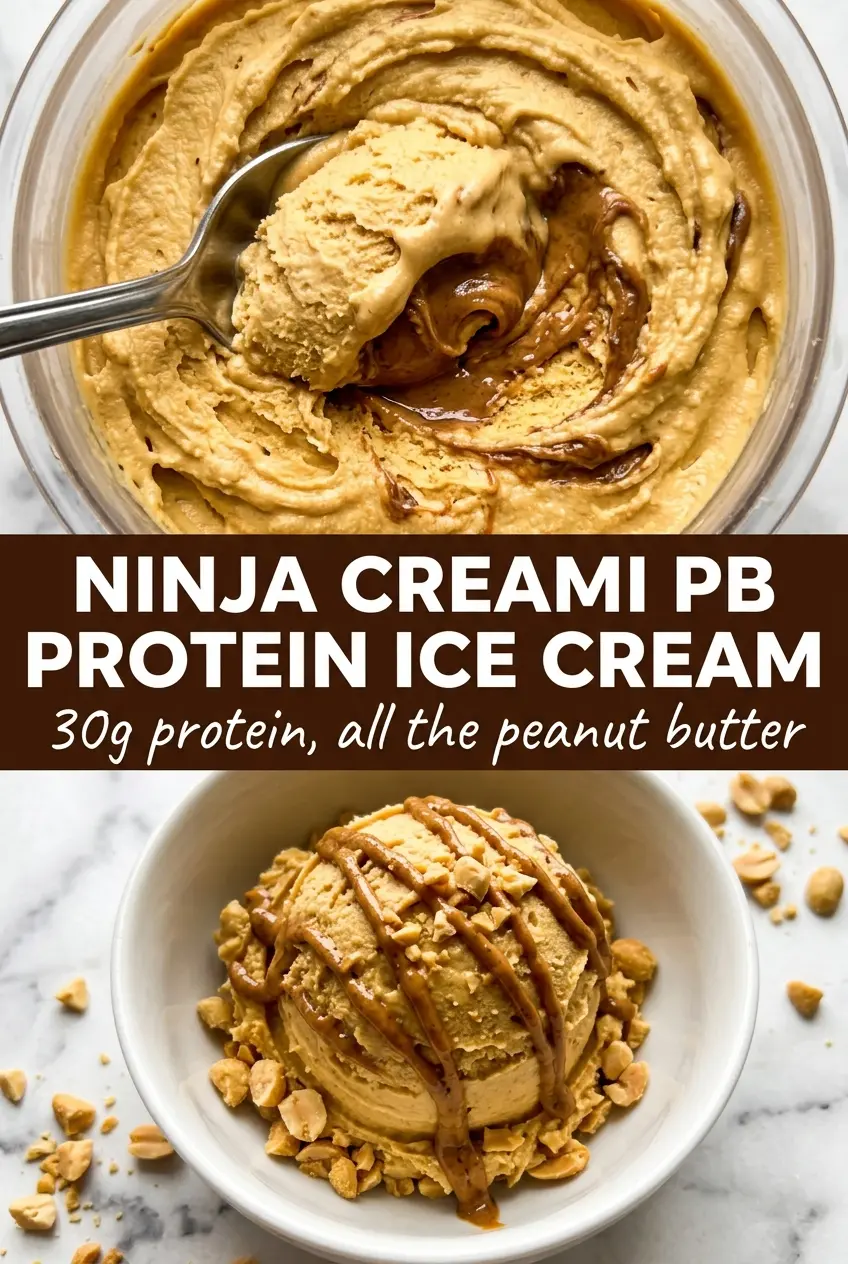
Ninja Creami Peanut Butter Protein Ice Cream
Ingredients
Equipment
Method
- Whisk the milk, protein powder, peanut butter, sweetener, vanilla extract, and salt until very smooth, ensuring no protein powder clumps remain.
- Pour the mixture into the Ninja Creami pint container, then scrape the top clean so the base freezes evenly.
- Freeze the pint for 24 hours until fully solid, with the lid secured to prevent freezer burn.
- Process on the Lite Ice Cream setting first; if the texture is grainy, add 1 tablespoon milk and re-spin on Lite Ice Cream until smooth.
- Use the Mix-In setting to fold in the peanut butter chips or mini peanut butter cups until evenly distributed.
- Serve immediately for the creamiest, thickest texture.