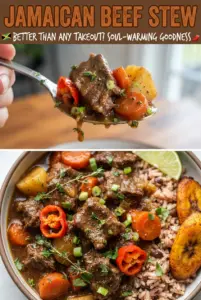
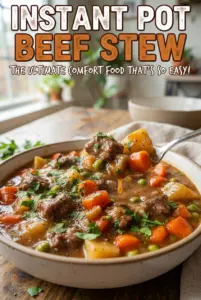
Jamaican beef stew earns its place in the rotation because the broth turns dark, glossy, and deeply savory while the beef goes spoon-tender without falling apart into shreds. The browning sauce and caramelized sugar build that rich color and roasted edge you expect from a proper pot of stew, while thyme, allspice, ginger, and scotch bonnet keep the flavor lively instead of heavy.
The trick is treating the marinade and the sear as two separate jobs. The beef gets seasoned first so the flavor penetrates, but the pot also needs that extra hit of browned sugar at the start to give the stew its signature depth. Add the vegetables later, once the meat has had time to soften, or they’ll collapse before the beef is ready.
Below, I’ll walk you through the sear, the simmer, and the timing that keeps the carrots and potatoes intact. There’s also a note on how to tame the heat without losing the Scotch bonnet character that makes this dish taste unmistakably Jamaican.
The gravy got that deep brown color I was hoping for, and the beef turned tender right around the two-hour mark. I kept the Scotch bonnet whole like you said, and it gave the stew warmth without blowing out my mouth.
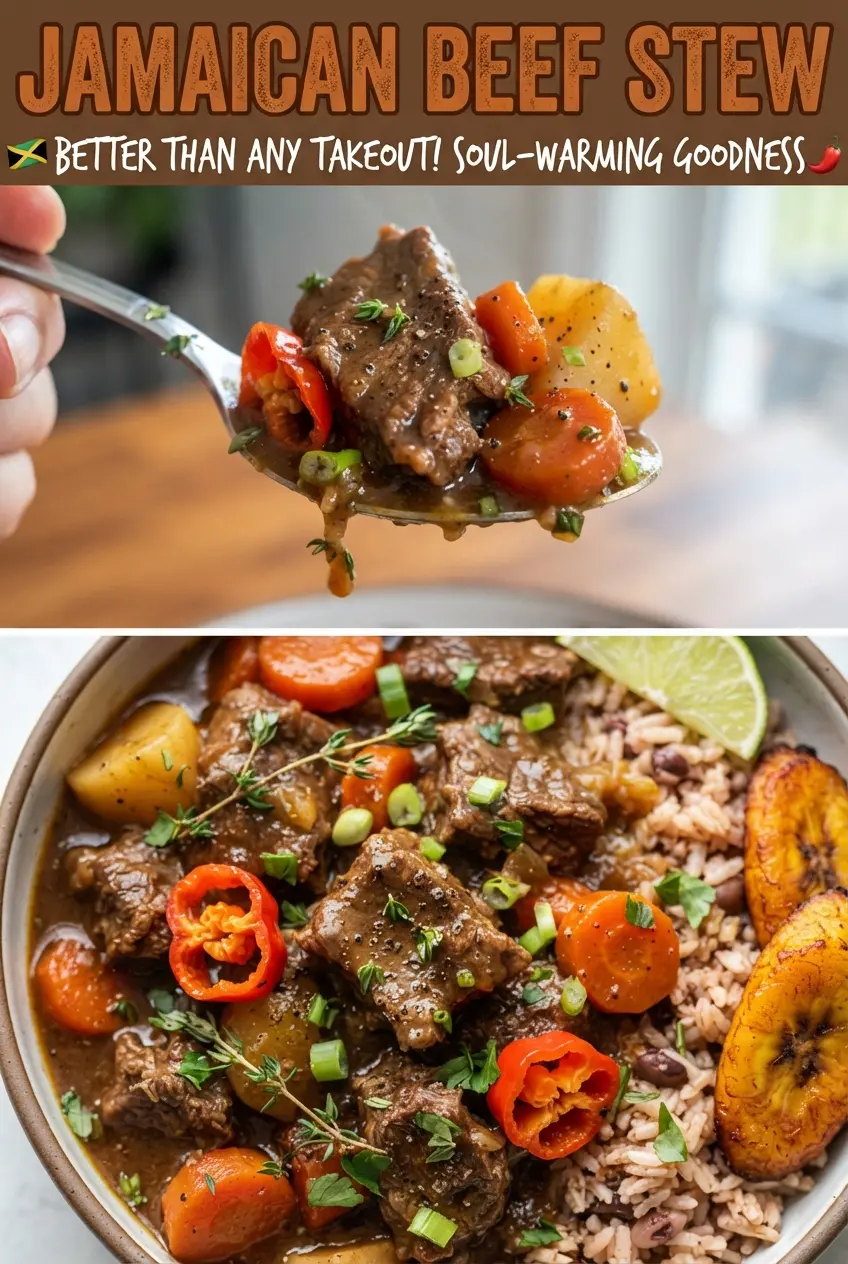
Save this Jamaican beef stew for when you want a glossy, deeply seasoned pot of beef with carrots, potatoes, and butter beans over rice.
The Browning Step Is What Gives This Stew Its Real Depth
Most beef stews get their color from long simmering alone. This one starts with browning sauce and caramelized sugar, which means the pot gets that dark, mahogany color before the broth ever goes in. That matters because Jamaican beef stew should taste layered from the start, not like plain beef broth that slowly turns brown.
The other thing that keeps this from tasting flat is the marinade. The soy sauce, Worcestershire, allspice, ginger, garlic, and green onions season the beef itself, so the flavor doesn’t just sit in the liquid. If your stew tastes thin, it usually means the meat was only seasoned on the outside or the browning stage was rushed.
What Each Ingredient Is Doing In The Pot
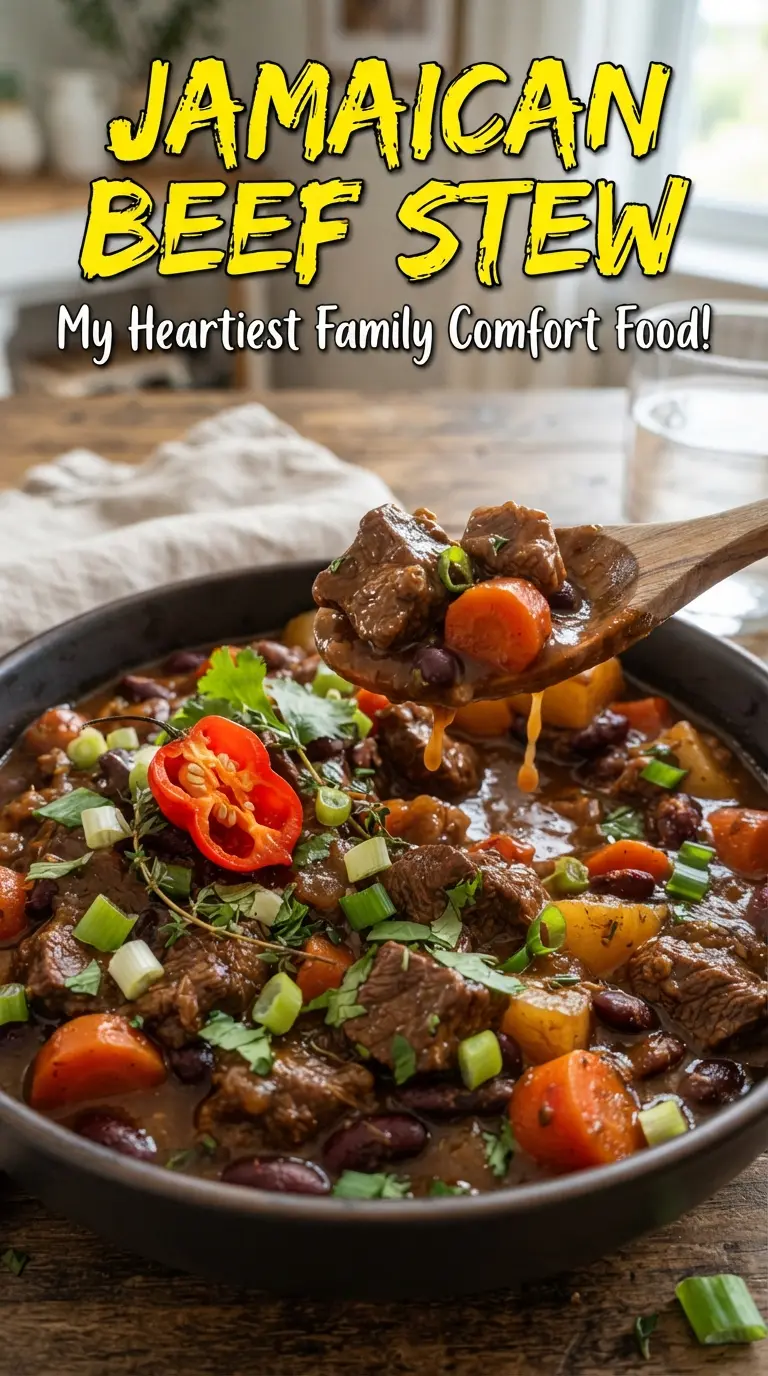
- Beef chuck — This is the cut you want for a stew that needs time. It has enough fat and connective tissue to become tender and rich during the long simmer. Leaner beef will dry out before the vegetables are done.
- Browning sauce and brown sugar — These two ingredients are doing the color work. The browning sauce deepens the pot immediately, while the sugar darkens in the oil and gives the stew that roasted edge. Don’t let the sugar smoke hard or it’ll turn bitter instead of savory.
- Allspice, thyme, ginger, and Scotch bonnet — This is the flavor backbone. Allspice brings warmth, thyme brings that herbal Jamaican note, ginger keeps the stew from feeling heavy, and the Scotch bonnet adds heat plus aroma. Keep the pepper whole if you want heat without a harsh burn.
- Butter beans — They soften into the broth at the end and help the stew feel complete. Canned butter beans are fine here because they’re added only for the last few minutes. If you stir them in too early, they’ll break apart.
Build The Flavor Before The Vegetables Go In
Marinating The Beef
Mix the beef with the browning sauce, soy sauce, Worcestershire, seasoning, allspice, onion, garlic, ginger, and green onions, then let it sit for an hour. That time lets the salt and aromatics start working into the meat instead of just coating the surface. If you’re short on time, even 20 minutes helps, but the stew tastes fuller after the full hour.
Caramelizing The Pot
Heat the oil with the brown sugar until it darkens, then add the beef and sear it for 6 to 8 minutes. You’re looking for a deep, sticky coating on the meat and the bottom of the pot, not just a light sear. If the sugar turns black before the beef goes in, the flame was too high and the stew will taste scorched.
Slow Simmering The Meat
Stir in the reserved aromatics, ketchup, broth, thyme, and whole Scotch bonnet, then cover and simmer until the beef is nearly tender. This is where the stew develops body, so keep the heat low enough that the surface barely blips. A hard boil makes the beef tighten up instead of relaxing into tenderness.
Adding The Vegetables At The Right Time
Add the carrots and potatoes once the beef is almost done, then simmer until they’re tender but still hold their shape. Potatoes and carrots need less time than chuck, so they go in late or they’ll dissolve into the broth. Stir in the butter beans at the end just long enough to warm through.
How To Adjust The Heat, The Texture, And The Make-Ahead Plan
Make It Milder Without Losing The Jamaican Character
Leave the Scotch bonnet whole and remove it before serving, or use half a pepper if you know your crew wants less heat. The stew will still carry the fruity, aromatic quality of the pepper without turning aggressively spicy. Crushing the pepper changes the whole dish, so keep it intact if you want control.
Swap In Another Bean If Butter Beans Aren’t Available
Cannellini beans or great northern beans work well here because they stay creamy and hold their shape. Use canned beans and add them at the end just like the butter beans. Red beans will tint the broth a little darker and soften faster, so add them only for the final few minutes.
Make It Gluten-Free
Use a gluten-free Worcestershire sauce and check that your browning sauce and seasoning blend are certified gluten-free. The stew itself doesn’t rely on flour for thickening, so this swap is straightforward. The texture stays the same as long as you keep the simmer gentle.
Storage and Reheating
- Refrigerator: Store for up to 4 days. The flavor gets even deeper after a night in the fridge, and the broth will thicken as it chills.
- Freezer: It freezes well for up to 3 months. Cool it completely, portion it into containers, and leave a little space at the top for expansion. Freeze the stew without the rice for the best texture.
- Reheating: Warm it gently on the stove over low heat with a splash of broth or water if needed. A hard boil will toughen the beef and can make the potatoes break apart. Stir only after it’s hot enough to loosen the broth.
Questions I Get Asked About This Recipe
Jamaican Beef Stew
Ingredients
Equipment
Method
- In a bowl, marinate the beef with browning sauce, soy sauce, Worcestershire sauce, all-purpose seasoning, allspice, onion, garlic, ginger, and green onions for 1 hour, turning once so cubes are coated. Cover and keep refrigerated while it marinates.
- Heat vegetable oil in a Dutch oven with brown sugar over medium-high heat until the sugar darkens, about 2 minutes. Add the marinated beef (reserve the aromatics) and sear until browned, 6-8 minutes.
- Stir in the reserved aromatics, then add ketchup, beef broth, fresh thyme, and the whole scotch bonnet pepper. Bring to a simmer so the surface bubbles gently around the beef.
- Cover and simmer over low heat for 1 1/2 hours, stirring occasionally, until the beef is nearly tender and the gravy looks glossy. If it thickens too much, add a splash of broth or water.
- Add the carrots and potatoes, then simmer uncovered for 30-40 minutes, until vegetables are tender. Keep the stew at a steady simmer so it doesn’t scorch.
- Stir in the butter beans and simmer for 10 minutes just to heat through. Watch for a cohesive, thick stew texture with evenly cooked beans.
- Remove the whole scotch bonnet and thyme stems, then serve the beef stew over rice. Taste and adjust seasoning if needed before bringing to the table.