Chicken tortellini soup lands in that sweet spot between cozy and practical: enough pasta to make it filling, enough broth to keep it light, and enough chicken to turn it into a real dinner. The tortellini stay tender without falling apart, the vegetables soften into the broth, and the parmesan on top pulls everything together with a salty finish that makes each bowl taste like more than the sum of its parts.
What makes this version work is timing. The tortellini go in late so they stay plump instead of bloated, and the spinach gets only a minute or two so it wilts without losing its color. I also build the flavor in the pot before the broth goes in: onion and carrots get a head start, then garlic and herbs bloom for just long enough to smell fragrant. That’s where the soup gets its depth.
Below, I’ll walk through the small details that keep the broth clear, the tortellini intact, and the chicken from tasting dry. If you’ve ever ended up with mushy pasta or a thin soup that never quite came together, the notes here will help.
The tortellini stayed perfectly tender and the broth picked up so much flavor from the onions and carrots. I added the spinach at the very end like you said, and it kept the soup looking fresh instead of turning dull.
Love the silky broth, tender tortellini, and fresh basil finish in this chicken tortellini soup? Save it to Pinterest for an easy dinner that tastes like you cooked all afternoon.
The Detail Most Tortellini Soups Get Wrong: Timing the Pasta
The fastest way to ruin chicken tortellini soup is to cook the tortellini too early and leave it sitting in hot broth. Pasta keeps absorbing liquid after the heat is off, which means the tortellini can swell until they’re soft around the edges and split in the middle. Cooking them at the very end keeps the texture bouncy and the filling intact.
The other thing worth watching is the simmer. A hard boil can tear tender tortellini and make the broth cloudy faster than you’d expect. Keep the soup at a gentle boil only long enough to cook the pasta, then drop back to a low simmer as soon as the tortellini are just tender.
- Chicken broth — Use a broth you’d actually sip. Since this soup doesn’t rely on cream, the broth carries most of the flavor, so a bland carton will taste flat no matter how many herbs you add.
- Refrigerated cheese tortellini — Fresh tortellini cook quickly and stay tender. Frozen can work, but they often need an extra minute or two and are more likely to burst if the pot is boiling hard.
- Cooked shredded chicken — Rotisserie chicken is the easiest shortcut here. If you cook chicken breasts yourself, shred them while they’re still warm; cold chicken tends to clump and can dry out when it hits the soup.
- Baby spinach — Baby spinach wilts fast and disappears into the broth without turning stringy. Regular spinach works too, but it needs the stems stripped and a little more time to soften.
Building the Pot in the Right Order

- Onion and carrots first — Start them in olive oil and let them soften before anything else goes in. That first five minutes gives the broth a savory base and takes the raw edge off the onion.
- Garlic and dried herbs second — Garlic only needs about a minute. If it browns, it turns bitter fast, so add the broth as soon as it smells fragrant.
- Broth before the tortellini — Bring the broth to a boil before adding pasta so the tortellini start cooking immediately and evenly. If the broth is only warm, they can sit and soak up liquid before they’re tender.
- Chicken and spinach last — The chicken just needs to warm through, and the spinach should wilt, not stew. Both go in near the end so the chicken stays juicy and the greens keep their color.
Keeping the Broth Clear and the Tortellini Tender
Softening the Vegetables
Heat the olive oil in a large pot and cook the onion and carrots until the onion looks translucent and the carrots start to lose their raw crunch. You’re not chasing color here; you want the vegetables softened enough that they melt into the soup instead of tasting separate and underdone. If the pot starts to dry out, lower the heat a touch rather than adding more oil too soon.
Waking Up the Garlic and Herbs
Stir in the garlic, Italian seasoning, and dried basil for about a minute. The garlic should smell fragrant, not toasted, and the herbs will bloom in the oil before the broth goes in. If garlic starts to brown, move fast and pour in the broth right away so it doesn’t turn sharp and bitter.
Cooking the Tortellini Without Overdoing It
Add the broth and bring it to a boil, then drop in the tortellini and cook just until tender, usually 4 to 5 minutes. Taste one before you drain your attention away from the pot; the center should still have a little bite, because the pasta keeps softening after it’s in the hot soup. If you wait until they feel fully soft in the pot, they’ll be too loose by the time you serve.
Finishing with Chicken and Spinach
Stir in the shredded chicken and spinach and cook only until the spinach wilts, about 2 to 3 minutes. The chicken only needs to heat through, not simmer long enough to lose moisture. Finish with salt, pepper, parmesan, and fresh basil so the top notes stay bright against the savory broth.
Easy Swaps That Still Keep the Soup Balanced
Make it dairy-free
Use dairy-free tortellini if you can find it, or swap in small pasta like shells or ditalini and skip the parmesan garnish. You’ll lose the creamy cheese filling, but the broth, chicken, and herbs still make a satisfying bowl.
Make it gluten-free
Use gluten-free tortellini if you have a good brand on hand, or replace the pasta with gluten-free gnocchi for a softer, heartier bowl. Gluten-free pasta can turn gummy if it sits too long, so serve this right after cooking.
Use what you have for the chicken
Leftover roast chicken or shredded rotisserie chicken both work well. Dark meat gives you a richer, juicier result, while breast meat stays lighter and a little cleaner tasting.
Make it ahead for lunch later
For the best texture, cook the soup base and store the tortellini separately if you know you’ll have leftovers. That keeps the pasta from drinking up all the broth and turning soft by day two.
Storage and Reheating
- Refrigerator: Store in an airtight container for up to 3 days. The tortellini will keep softening, so the soup gets thicker as it sits.
- Freezer: Freeze the broth, chicken, and vegetables without the tortellini if you can. Pasta freezes poorly in broth and tends to turn mushy when thawed.
- Reheating: Warm gently over medium-low heat until steaming, then add fresh or separately cooked tortellini if needed. A hard boil after storage can break the pasta and make the broth cloudy.
Answers to the Questions Worth Asking
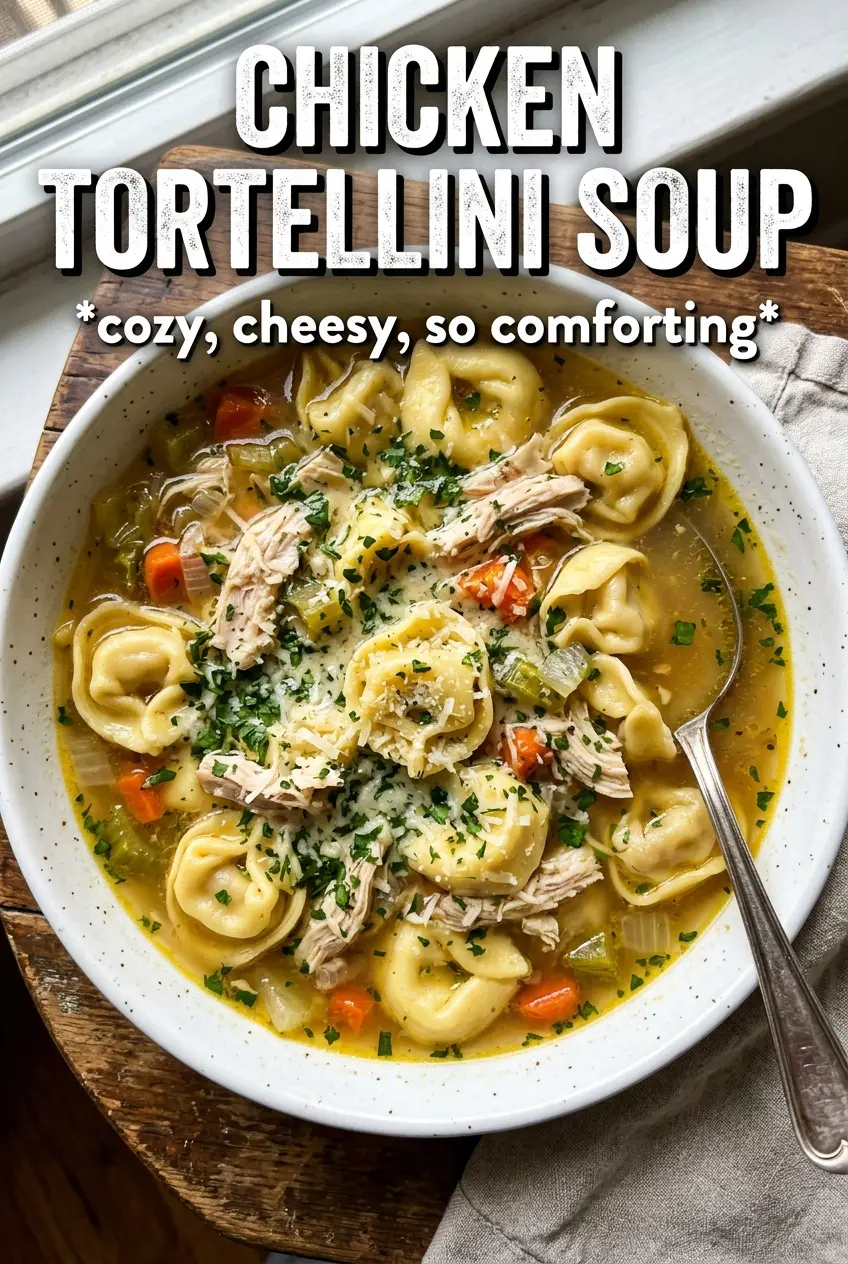
Chicken Tortellini Soup
Ingredients
Equipment
Method
- Heat the olive oil in a large Dutch oven over medium heat, then sauté the onion and sliced carrots for 5 minutes until softened and fragrant.
- Add the minced garlic, Italian seasoning, and dried basil, and cook for 1 minute, stirring constantly, until very aromatic.
- Pour in the chicken broth and bring it to a boil, letting the pot bubble steadily for 30-60 seconds.
- Add the refrigerated cheese tortellini and cook for 4-5 minutes until just tender, adjusting heat to keep a gentle boil.
- Stir in the shredded chicken and baby spinach, then cook for 2-3 minutes until the spinach wilts and the chicken is heated through.
- Season with salt and pepper to taste, then serve immediately with generous parmesan shavings and fresh basil on top.