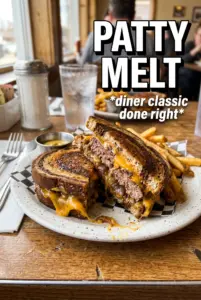
Golden rye bread, a thin beef patty, melted Swiss and cheddar, and a pile of sweet onions make a patty melt hit like a diner classic done right. The best ones have crisp, buttery bread that still holds up under the filling, with cheese that melts into the onions and binds everything together instead of sliding out onto the pan.
The trick is treating each part like it matters. The onions need enough time to turn deeply sweet and jammy, not just softened. The beef cooks best when it’s smashed thin in a hot skillet so it gets those browned edges fast before it dries out. Then the sandwich goes back into the pan long enough for the cheese to melt and the bread to toast all the way through.
Below, I’m walking through the parts that actually make the difference: how to keep the bread crisp, how to layer the cheese so it melts into the onions, and what to do if your onions are taking longer than expected.
The onions turned out sweet and jammy, and the cheese actually melted through instead of just sitting on top. My husband said it tasted like the diner version he grew up on, only better because the bread stayed crisp.
Save this patty melt for the nights when you want crisp rye, gooey cheese, and caramelized onions in every bite.
The Part That Keeps a Patty Melt from Getting Greasy and Flat
A good patty melt is built from contrast: crisp bread, juicy beef, and onions that taste sweet instead of sharp. The place where most versions fall apart is heat management. If the pan isn’t hot enough for the beef, you get gray meat with no crust. If it’s too hot for the onions, they scorch before they turn silky. This recipe works because each piece gets the temperature it wants before it all gets pressed together.
The beef should be smashed thin in the skillet so it cooks fast and develops a browned edge. That thin patty is what keeps the sandwich from feeling heavy. The onions need patience, not rushing, because their sweetness is what balances the beef and sharp cheese. Once the sandwich goes back into the pan, the goal is just enough time to melt the cheese and fuse everything without soaking the rye.
What the Onions, Cheese, and Rye Are Each Doing Here
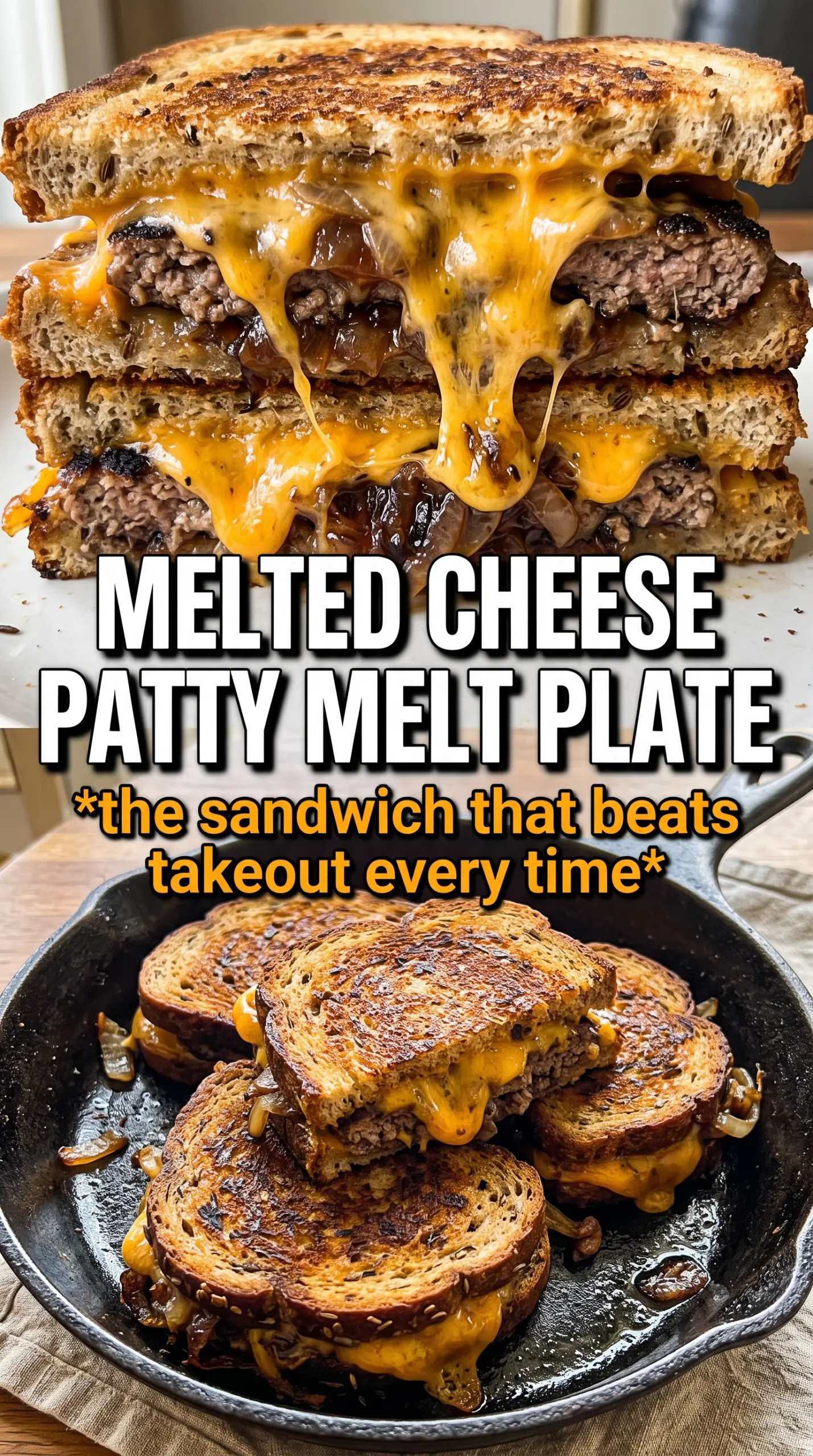
- Rye bread — Rye gives the sandwich its classic diner character and holds up better than soft sandwich bread. A sturdy loaf matters here because the filling is juicy. If you only have marble rye or another firm bread, use it; just avoid anything too soft or it will collapse once the cheese melts.
- Ground beef — 80/20 beef gives you enough fat for flavor and browning without turning the sandwich soggy. Leaner beef works in a pinch, but it will taste drier and need more careful cooking. Smashing the patties thin is what gives you those crisp edges and keeps the center from overcooking.
- Swiss and sharp American or cheddar — Swiss melts smoothly and brings that nutty, mellow note, while the sharper cheese adds punch. Using both gives you a melt that tastes layered instead of one-dimensional. If you swap in only one cheese, use a good meltable cheese and not a pre-shredded mix that clumps instead of flowing.
- Onions — The onions are not a garnish here; they’re part of the structure and the flavor balance. Cook them slowly until they’re deep gold and jammy, because undercooked onions taste harsh against the beef. Yellow onions are the easiest choice, but sweet onions also work well if you want a softer finish.
- Special sauce — The mayo, ketchup, Dijon, and Worcestershire add creaminess, tang, and a little savory depth. It’s not there to make the sandwich saucy; it gives the bread a thin layer of flavor so every bite tastes finished. If you want a simpler version, mix mayo and Dijon only, but the Worcestershire gives it a more diner-style edge.
How to Build the Sandwich So the Bread Stays Crisp
Caramelizing the onions first
Start the onions before anything else so they have time to go soft, sweet, and deeply golden. Medium-low heat is the right call because high heat browns the edges before the onions collapse and cook through. Stir them often enough to keep them moving, and if the pan looks dry, add a small bit of butter rather than cranking the heat. If they start to catch, lower the burner; burnt onions will make the whole sandwich taste bitter.
Smashing and searing the beef
Divide the beef into loose balls and season them right before they hit the pan. A very hot cast iron skillet gives you the best crust, and smashing them thin in the pan helps them cook quickly without drying out. You want browned, lacy edges and a center that’s just cooked through. If the meat sticks when you try to flip it, give it another few seconds; it will release when the crust is ready.
Layering and pressing the melt
Butter the rye and toast it first so the bread has a head start. Then spread on the special sauce, add onions, the patty, both cheeses, more onions, and the top slice of bread. Returning the sandwich to the skillet is what finishes the job: press it gently and cook until the bread is deep golden and the cheese has melted all the way to the edges. If you press too hard, the filling squeezes out; firm pressure is enough.
Gluten-Free Patty Melt
Use a sturdy gluten-free sandwich bread that can stand up to buttering and pressing. It won’t taste like rye, but the onions, cheese, and sauce still carry the sandwich. Toast the bread a little longer before assembling so it has a better chance of staying intact.
Dairy-Free Version
Swap the butter for a neutral oil or dairy-free spread and use a meltable plant-based cheese. The flavor will be a little less rich, but the onions and Worcestershire still give you plenty of depth. Watch the cheese closely, since some dairy-free slices melt more slowly than dairy cheese.
Make It Spicier
Add a pinch of cayenne or a few dashes of hot sauce to the special sauce, or season the beef with a little smoked paprika. The heat works best as background heat, not a loud burn, because you still want the onions and cheese to lead. Too much spice will drown out the balance that makes the sandwich work.
Storage and Reheating
- Refrigerator: Store leftover patties and onions for up to 3 days. The assembled sandwich softens, so it’s better to keep components separate if you can.
- Freezer: The cooked beef patties freeze well for up to 2 months. The fully assembled sandwich doesn’t freeze well because the bread turns soggy when thawed.
- Reheating: Reheat the patties and onions in a skillet over medium heat, then rebuild the sandwich and toast it in butter. The common mistake is microwaving the whole sandwich, which makes the rye limp and the cheese greasy instead of melted.
Answers to the Questions Worth Asking
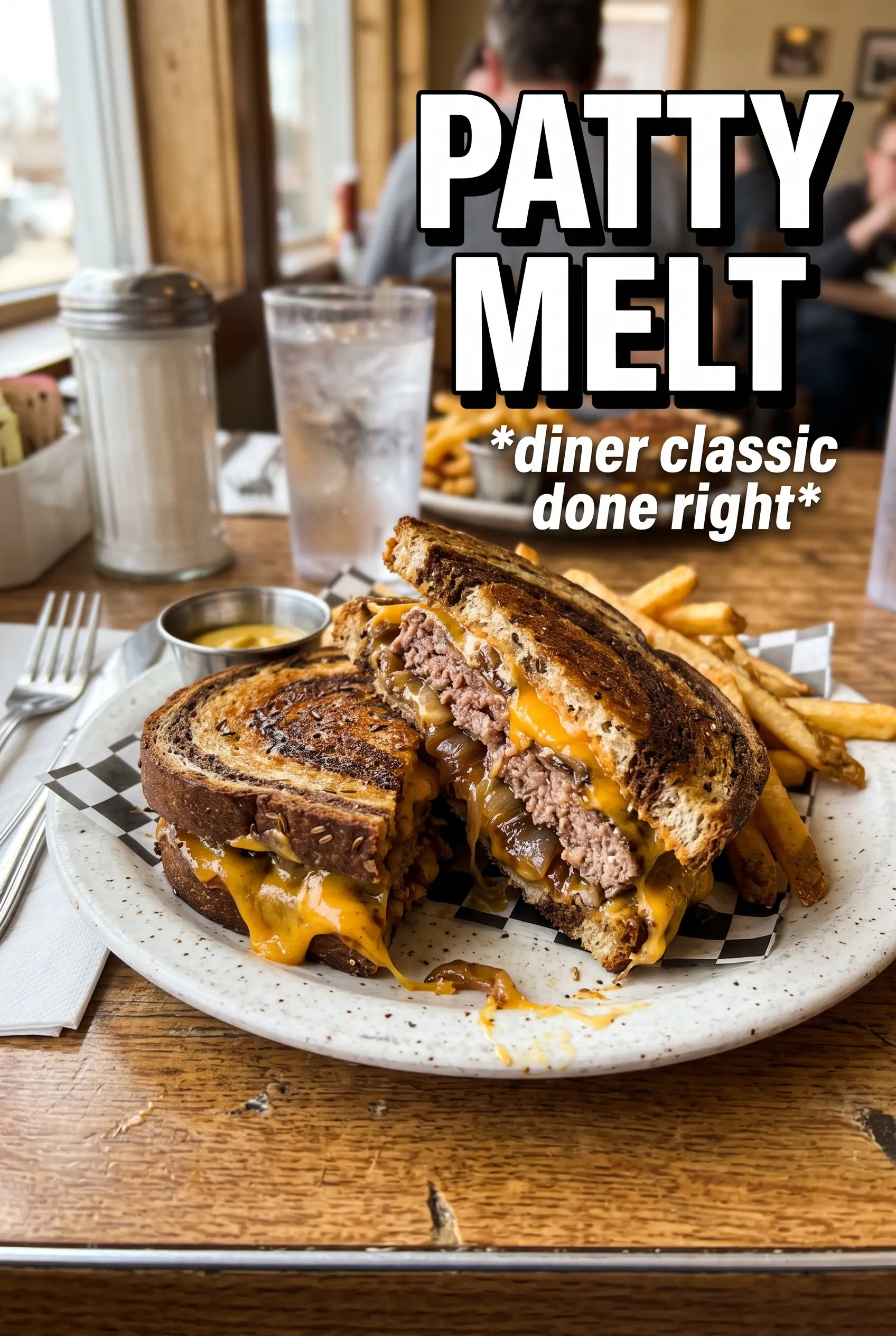
Patty Melt
Ingredients
Equipment
Method
- Melt 2 tablespoons butter in a cast iron skillet over medium-low heat. Cook onions for 25-30 minutes, stirring occasionally, until deeply golden.
- Divide ground beef into 4 balls and season with Worcestershire, garlic powder, salt, and pepper. Press each ball thin in the hot cast iron skillet using firm pressure.
- Cook smashed patties for 2-3 minutes per side over high heat. Continue until well browned and cooked through, then remove to a plate.
- Wipe out excess fat if needed, then toast rye bread slices in the skillet with butter. Cook until golden on the surface, about 1-2 minutes per side.
- Spread special sauce over the toasted rye slices. Layer onions, a patty, Swiss cheese, sharp American or cheddar cheese, and more onions, then top with the remaining toast.
- Return assembled sandwiches to the cast iron skillet and press lightly. Cook 1-2 minutes per side until the cheese is melted and the bread is crisp and golden.