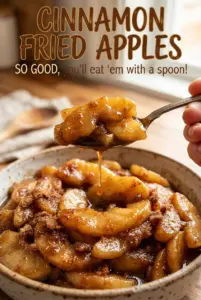
Cinnamon fried apples land in that sweet spot between dessert and side dish: tender slices, glossy sauce, and just enough spice to make the whole pan smell like you’ve been cooking all afternoon. The best versions keep the apples intact instead of collapsing into sauce, so every bite still has a little shape and bite under the syrupy coating.
What makes this version work is the balance. Brown sugar brings depth, cinnamon and nutmeg give the familiar warm finish, and a small cornstarch slurry tightens the sauce at the end without turning it gummy. The apples cook covered at first, which softens them evenly, then the lid comes off so the liquid can reduce before the cornstarch goes in. That sequence matters. If you thicken too early, the sauce can turn pasty before the apples are tender.
Below, I’m breaking down the apple choice, the one step that keeps the sauce glossy instead of cloudy, and a few easy swaps if you want to serve these with breakfast, pork, or a scoop of vanilla ice cream.
The sauce thickened up beautifully and the apples stayed tender instead of turning to mush. I served them over pancakes, and my husband asked if we could have them again the next morning.
Save these cinnamon fried apples for the nights when you want tender apple slices in a glossy brown sugar skillet sauce.
The Reason the Apples Stay Tender Instead of Turning to Sauce
The biggest mistake with fried apples is letting the heat run too high while the pan is uncovered from the start. That pushes the outside of the slices past tender before the center has a chance to soften, and you end up with apples that look cooked but still taste raw in the middle. Covering the pan early traps steam and does the heavy lifting for you. The apples soften first, then the sauce concentrates later.
The other thing that matters is the cornstarch timing. Add it after the apples are already tender and the liquid has had a chance to get a little syrupy. Cornstarch needs heat and a little movement to thicken cleanly; if you dump it in too soon, the sauce can go opaque and pasty before the apples are ready. The goal here is a glossy coating that clings to the fruit, not a thick gluey glaze.
What Each Ingredient Is Doing in the Skillet
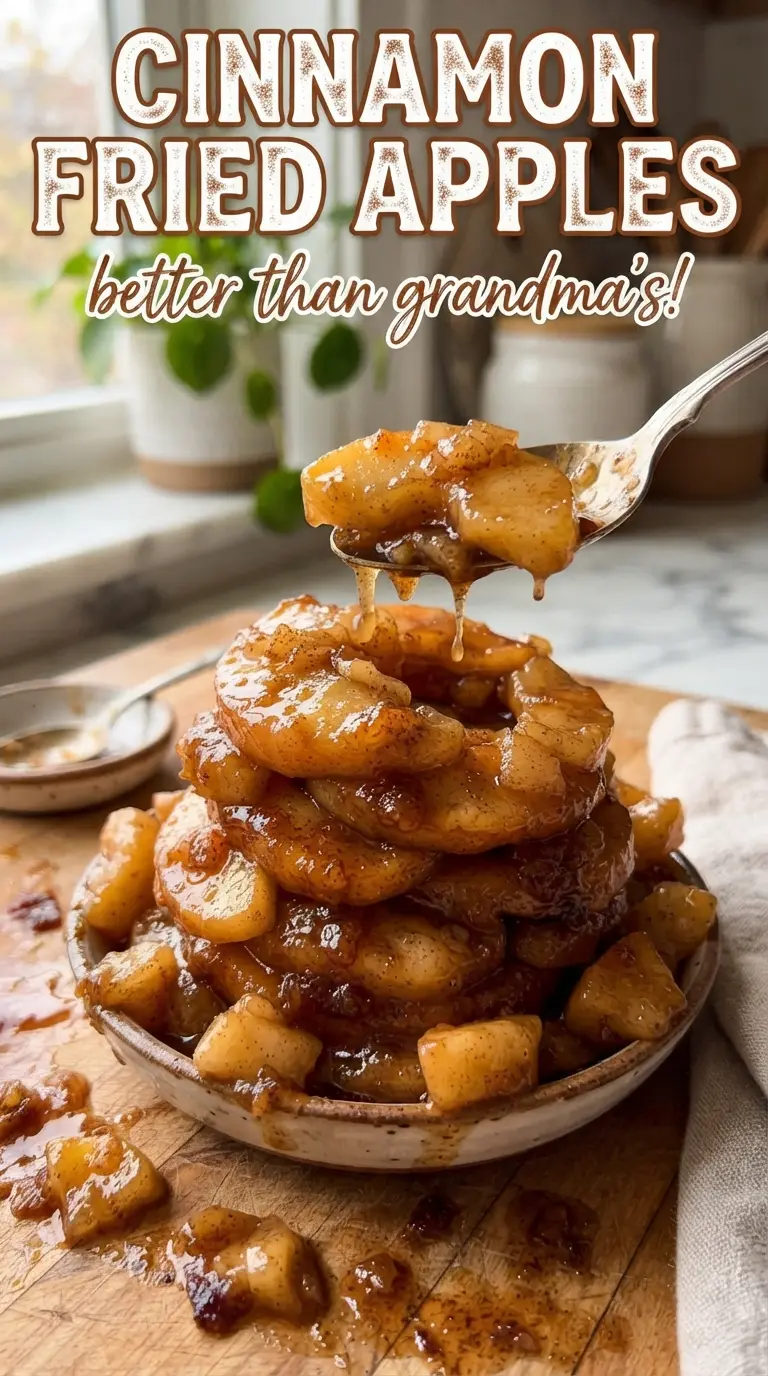
- Apples — Honeycrisp gives you a sweeter, juicier finish, while Granny Smith stays firmer and gives the sauce a little tart edge. Use a firm baking apple; soft apples break down too fast and lose that clean slice.
- Butter — This carries the cinnamon and brown sugar and gives the sauce a rounded finish that oil can’t match. If you need a dairy-free swap, plant butter works, though the sauce will taste a little less rich.
- Brown sugar — This is what turns the pan juices into that deep, caramel-like syrup. Packed brown sugar matters here because it adds enough sweetness and molasses flavor without needing extra liquid.
- Cinnamon and nutmeg — Cinnamon is the main note; nutmeg should stay in the background. Don’t overdo the nutmeg or it takes over the whole pan.
- Cornstarch — This is the cleanest way to get a glossy sauce in a short cook time. Arrowroot can work too, but add it at the very end and avoid boiling hard, or the texture can turn a little loose.
- Vanilla — Stir it in off the heat at the end so the aroma stays bright. If it goes in too early, some of that warm vanilla top note cooks off.
How to Cook the Apples So the Sauce Turns Glossy, Not Gummy
Softening the Fruit First
Melt the butter over medium heat, then add the apples, sugar, cinnamon, nutmeg, and salt. Stir until every slice is coated and the pan looks evenly glossy. Cover the skillet and cook until the apples are just tender when pierced, about 8 to 10 minutes. If the heat is too low, they’ll steam forever without developing much flavor; if it’s too high, the outside will slump before the centers soften.
Reducing Before You Thicken
Once the apples are tender, uncover the pan and let the liquid bubble for a minute so some water evaporates. That gives the cornstarch a better chance to thicken the sauce without making it cloudy. Whisk the cornstarch with water until smooth, then pour it in while stirring. The sauce should move from loose and watery to lightly thickened in a minute or two.
Finishing with a Clean Shine
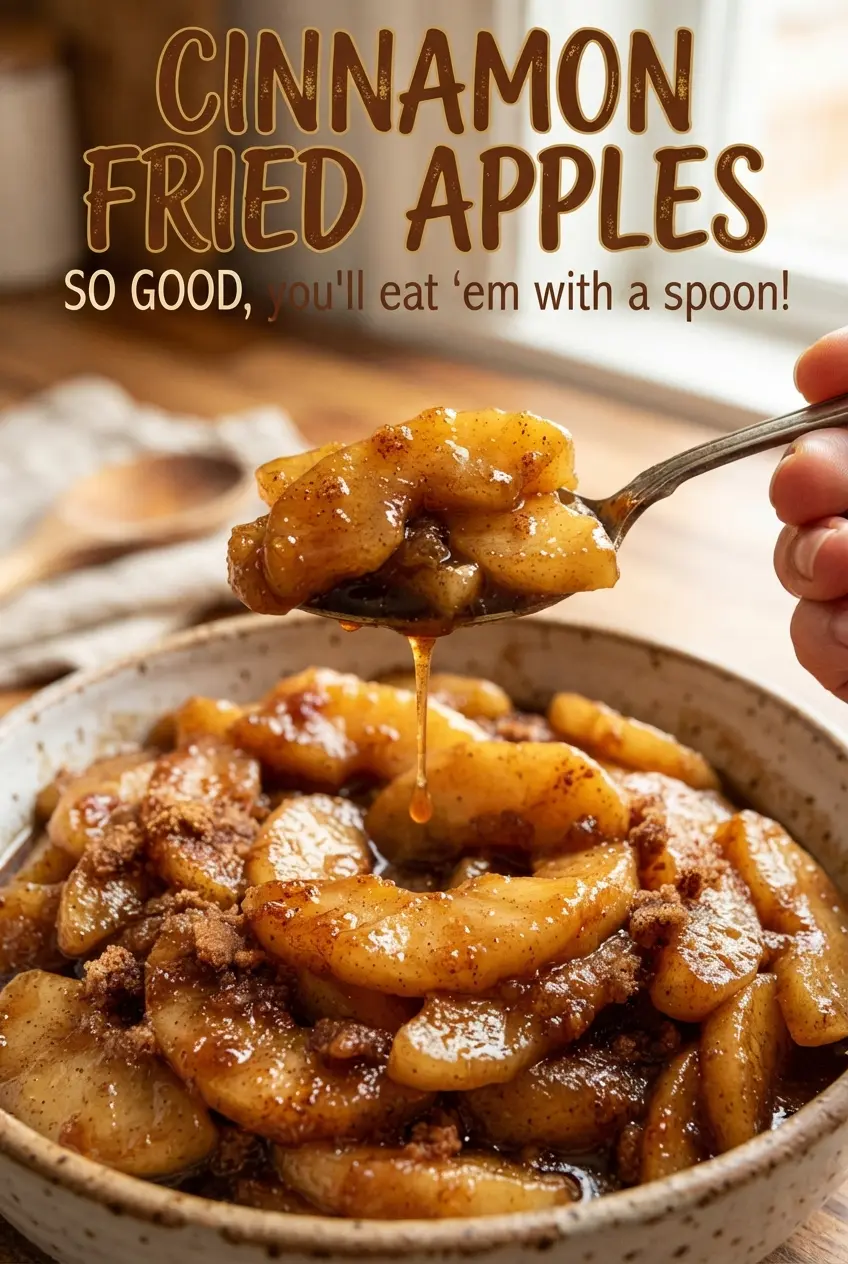
Keep the heat at a gentle simmer until the syrup looks glossy and coats the back of a spoon. That shine tells you the starch has cooked through. Stir in the vanilla at the end and serve warm. If the sauce looks too thick, a splash of water loosens it back up; if it looks thin, give it another minute on the heat before serving.
Three Ways to Use These Apples Without Changing the Whole Recipe
Breakfast topping
Serve them over pancakes, waffles, oatmeal, or plain yogurt. The sauce stays thick enough to spoon on top without running off the plate, and the warm spice makes breakfast feel complete without adding extra work.
Pork chop side
These apples pair well with pork because the brown sugar and cinnamon echo the richness in the meat without making the plate taste like dessert. Keep the sauce a little looser if you’re serving it this way so it can mingle with the pan juices.
Dairy-free version
Use a good plant-based butter in place of the dairy butter. You’ll still get a smooth, glossy sauce, though the flavor will be slightly less rich and more neutral.
Sharper, less sweet skillet apples
Use all Granny Smith apples and cut the brown sugar back by 1 to 2 tablespoons. The result is firmer and more tart, which works well if you’re serving them next to rich dishes and want a little contrast.
Storage and Reheating
- Refrigerator: Store leftovers in an airtight container for up to 4 days. The sauce will thicken as it chills.
- Freezer: These freeze, but the apple texture softens after thawing. Freeze in a flat container for up to 2 months if you’re okay with a softer finish.
- Reheating: Warm gently in a skillet over low heat with a splash of water to loosen the sauce. High heat can make the apples fall apart and can turn the glaze sticky instead of glossy.
Answers to the Questions Worth Asking
Cinnamon Fried Apples
Ingredients
Equipment
Method
- Melt butter in a large cast iron skillet over medium heat until fully melted and shimmering (about 1 minute).
- Add firm apples, brown sugar, ground cinnamon, nutmeg, and salt, then stir until the slices look evenly coated and glossy (about 30 seconds).
- Cover and cook 8-10 minutes, stirring occasionally, until apples are just tender and steam is visible under the lid.
- Whisk cornstarch with water until smooth, then pour into the skillet while stirring so no lumps form (10-15 seconds).
- Simmer 2-3 minutes, stirring frequently, until the sauce thickens and turns glossy enough to lightly coat the spoon.
- Stir in vanilla extract and serve warm, with spoonfuls of thick cinnamon-brown sugar syrup over the apples.