Cheesy scalloped potatoes land on the plate with tender layers, a creamy sauce that clings instead of puddling, and a bronzed top that crackles at the edges when the spoon goes in. The best versions don’t turn soupy or collapse into mush. They hold their shape, soak up the cream, and still give you that soft, rich bite that makes people go back for a second scoop before they’ve finished the first.
Yukon gold potatoes are the right choice here because they stay creamy without falling apart, and slicing them very thinly helps the layers cook at the same pace. The mustard and nutmeg don’t announce themselves, but they keep the sauce from tasting flat, and a mix of Gruyere and sharp cheddar gives you both melt and sharpness. The big thing to watch is the cover time: the potatoes need that foil phase to steam through before the cheese goes on, or you’ll end up with browned tops and underdone centers.
Below, I’ll walk you through the small details that keep the sauce smooth and the layers tender. There’s also a simple storage note for making these ahead, which matters more than people think with a dish this rich.
The sauce stayed creamy all the way through and the potatoes were perfectly tender after the covered bake. The Gruyere on top turned golden without getting greasy, and my husband went back for seconds before dinner was even over.
Creamy scalloped potatoes with a golden Gruyere-cheddar crust are the side dish people remember.
The Layering Trick That Keeps the Center Tender
Scalloped potatoes fail in two ways: the top browns too soon, or the center stays stubbornly firm while the edges turn soft. The fix is to layer the potatoes tightly and press them down into the cream so the liquid reaches every slice. Thin, even slices matter here because thick slices need longer than the top can safely take.
The foil-covered bake does the quiet work. It traps steam, softens the potatoes from the inside, and gives the cream time to thicken around the starch instead of separating into a greasy layer. Once the potatoes are nearly tender, the cheese goes on for the final bake, where it can brown without having to do the job of cooking the potatoes too.
- Even slicing keeps the texture consistent from edge to center. A mandoline helps, but a sharp knife works if you keep the slices thin and steady.
- Covered baking is not optional. Without it, the cream reduces too fast and the potatoes can dry out before they soften.
- Resting time lets the sauce settle back into the layers so the first serving holds together instead of slumping.
What Each Ingredient Is Actually Doing in This Dish
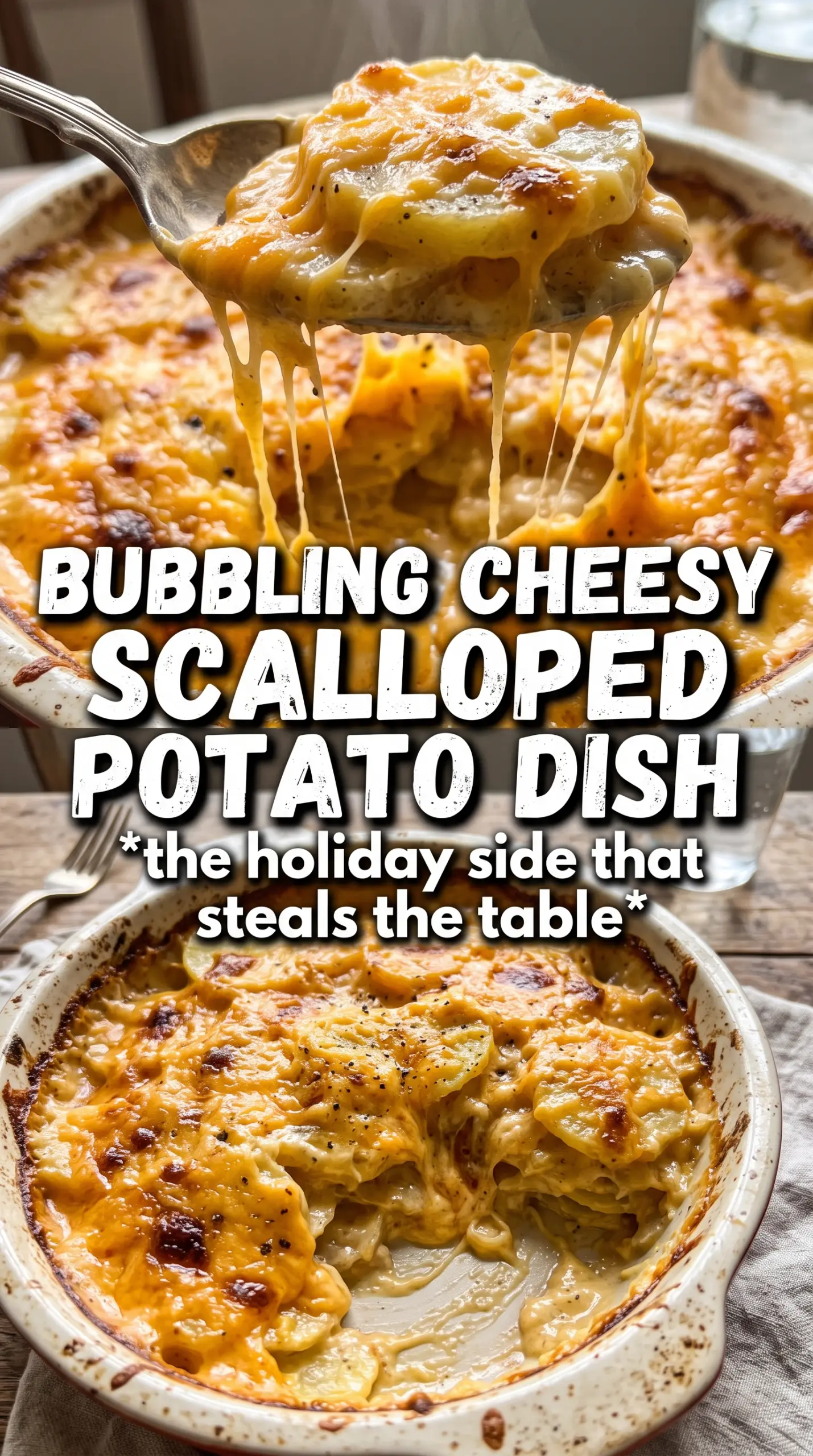
- Yukon gold potatoes are the backbone of the dish. They stay buttery and slice cleanly after baking, which gives you layers instead of a collapsed mash. Russets work, but they can turn fluffier and more fragile.
- Heavy cream and whole milk create the sauce base. The cream gives body, while the milk keeps it from becoming heavy enough to feel gluey. Skimping too far on the cream makes the sauce thin and watery.
- Gruyere melts into the sauce with a nutty, savory depth that cheddar alone can’t match. If you need a swap, use Swiss cheese, but expect a milder finish.
- Sharp cheddar brings the bold top note and the browned crust. Mild cheddar will melt fine, but the flavor will be flatter.
- Dijon, thyme, and nutmeg are small additions that keep the sauce from tasting one-dimensional. They don’t make the dish fancy; they make it taste finished.
- Garlic should be minced fine so it melts into the sauce instead of sitting in sharp little bites between the potato layers.
Getting the Cream Sauce and Cheese Top in the Right Order
Building the Base
Whisk the cream, milk, garlic, Dijon, thyme, nutmeg, salt, and pepper before it ever hits the potatoes. That seasoning needs to be evenly distributed now, not patched together later. If the dairy looks split or grainy after whisking, it usually means the garlic was too coarse or the mixture sat too long; give it another whisk and pour it right away.
Arranging the Potatoes
Layer the potatoes in overlapping rows so the sauce can move between them instead of pooling underneath. Pour the cream mixture over slowly, then press the potatoes down with the back of a spoon so the top layer gets lightly submerged. If the top looks dry before baking, it needs a little more pressure, not more cheese.
The Covered Bake
Cover the dish tightly with foil and bake until the potatoes are nearly tender when pierced with a knife. This is the part that cooks the center through. If your foil is loose, steam escapes and the sauce reduces too fast, which leaves you with dry edges and undercooked middles.
The Cheesy Finish
Uncover, scatter the Gruyere and cheddar over the top, and return the dish to the oven until the cheese is bubbling and the top has browned in spots. You want color, not a hard crust. Pull it when a knife slides through the potatoes without resistance, then let it sit for 10 minutes so the sauce thickens enough to serve cleanly.
How to Adapt These Potatoes Without Losing the Creamy Texture
Dairy-Free Version With Coconut Cream
Use full-fat canned coconut milk in place of the cream and milk, and choose a dairy-free shredded cheese that melts well. The texture will still be rich, but the flavor shifts slightly sweet and coconut-leaning, so keep the Dijon and thyme in place to balance it.
Gluten-Free, As Written
This recipe is naturally gluten-free as long as your mustard and cheeses are certified gluten-free. The cream sauce thickens from the potato starch, not from flour, so there’s nothing to replace.
Make-Ahead For a Busy Day
Assemble the dish up to a day ahead, cover it tightly, and refrigerate it before baking. Let it sit at room temperature for 30 minutes while the oven heats, then add 10 to 15 extra minutes to the covered bake since the potatoes are starting cold.
Storage and Reheating
- Refrigerator: Store leftovers covered for up to 4 days. The sauce will tighten as it chills, which is normal.
- Freezer: It freezes, but the texture softens a bit after thawing. Cool completely, wrap well, and freeze for up to 2 months for the best result.
- Reheating: Reheat covered at 350F until hot in the center. If you microwave individual portions, add a splash of milk so the sauce loosens again instead of turning pasty.
Answers to the Questions Worth Asking
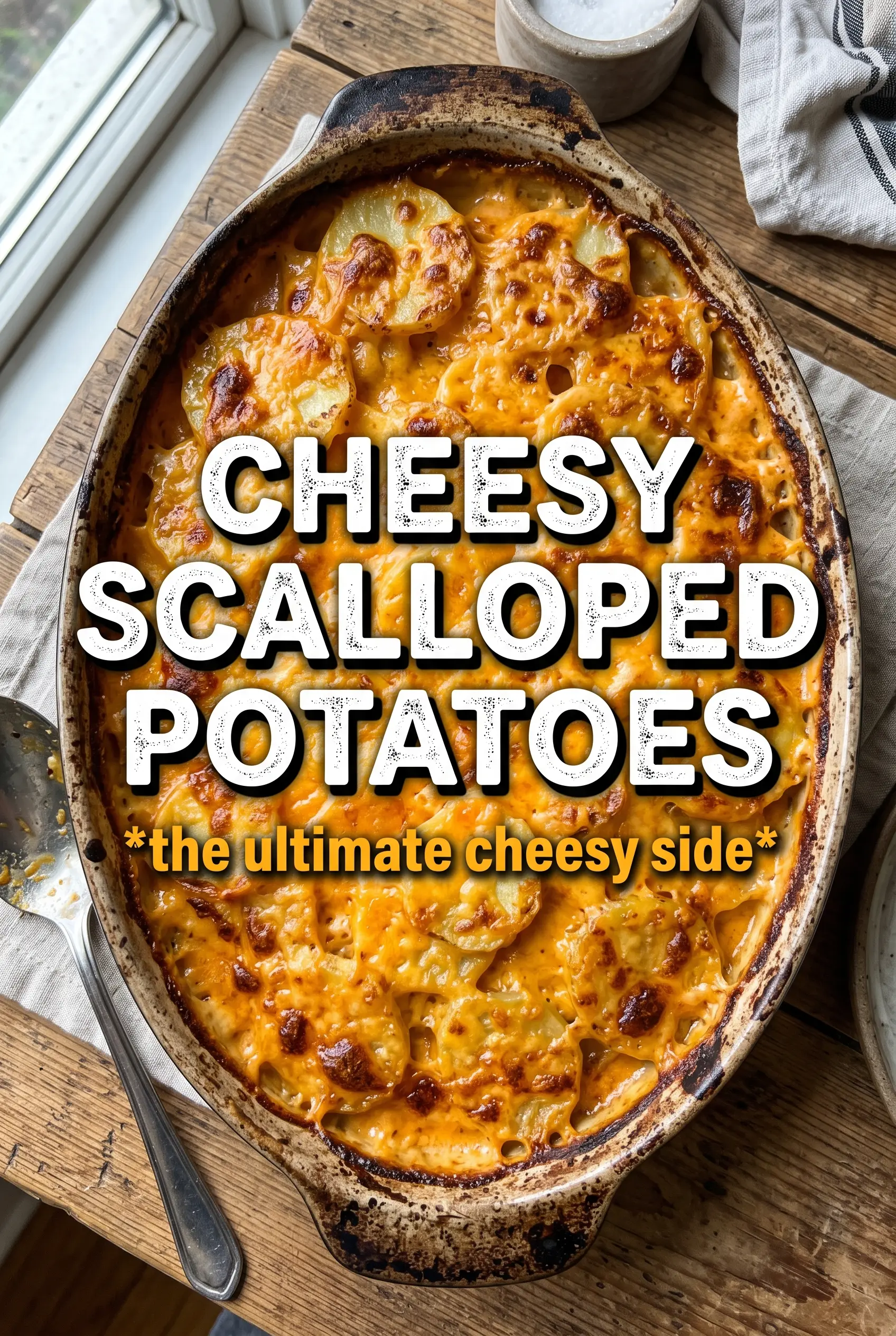
Cheesy Scalloped Potatoes
Ingredients
Equipment
Method
- Preheat the oven to 375°F and butter a 9x13 baking dish for easy release and browning.
- Whisk heavy cream, whole milk, garlic, Dijon mustard, fresh thyme, nutmeg, 1-1/2 teaspoons salt, and pepper until smooth and evenly combined.
- Layer the very thin Yukon Gold potatoes in overlapping rows in the dish, creating an even, packed layer for consistent tenderness.
- Pour the cream mixture over the potatoes and press the potatoes down to help submerge them in the sauce.
- Cover tightly with foil to prevent drying and to keep the potatoes cooking through.
- Bake for 50 minutes at 375°F, then uncover and scatter both Gruyère and cheddar over the top.
- Bake uncovered for 18 to 22 more minutes at 375°F until the top is golden, bubbling, and the potatoes are completely tender.
- Rest the scalloped potatoes for 10 minutes before serving so the cream thickens and layers set slightly.


