Golden campfire potatoes come out tender in the middle, edged with a little bite, and layered with buttery onion flavor that tastes far better than the tiny amount of work they ask for. The foil packet does the heavy lifting here: it traps steam long enough to soften the potatoes, then the direct heat finishes the edges so they don’t turn mushy.
The trick is slicing the potatoes thin and even so they cook at the same pace. The butter goes in cubes instead of melted, which helps it coat the layers as it warms and keeps the seasoning from sinking straight to the bottom of the packet. A little paprika adds color and a faint smokiness, while the optional cheddar turns the whole thing into something closer to a loaded side dish.
Below, you’ll find the small details that keep the packet from leaking, the heat level that gives you tender potatoes instead of scorched foil, and a few simple variations for when you want to change up the seasoning or make the dish work at home in the oven.
The potatoes came out tender all the way through, and the onions turned sweet without burning. I opened the packet and the butter had coated every slice.
Save these buttery campfire potatoes for the next cookout when you want a foil packet side with crisp edges and tender centers.
The Reason Foil Packets Give You Tender Potatoes Instead of Burnt Edges
The packet works because it creates two cooking environments at once. The trapped steam softens the sliced potatoes and onions, while the hot foil against the grate encourages browning where the packet sits closest to the heat. If your potatoes are still firm at the end, the slices were too thick or the heat was too low to keep the steam moving inside the packet.
Heavy-duty foil matters here. Thin foil tears when the packet gets flipped or shifted with tongs, and once the seal breaks you lose steam fast. A double layer also gives you a little insurance against scorching if your campfire runs hotter on one side than the other.
- Thin potato slices — Uniform slices cook evenly and keep the packet from turning into a mix of crunchy wedges and soft scraps. Aim for about 1/8-inch thickness.
- Onion — It softens into the potatoes and adds sweetness that regular diced onion wouldn’t give as cleanly. Slice it into thin rings or half-moons so it cooks through at the same pace.
- Butter cubes — Cubing the butter lets it melt between the layers instead of running to one corner of the packet. Margarine will work in a pinch, but it won’t give the same rich finish.
- Heavy-duty aluminum foil — This is one place where cheap foil often causes trouble. If all you have is standard foil, use two full layers and crimp the seams tightly.
What Each Ingredient Is Actually Doing in the Packet
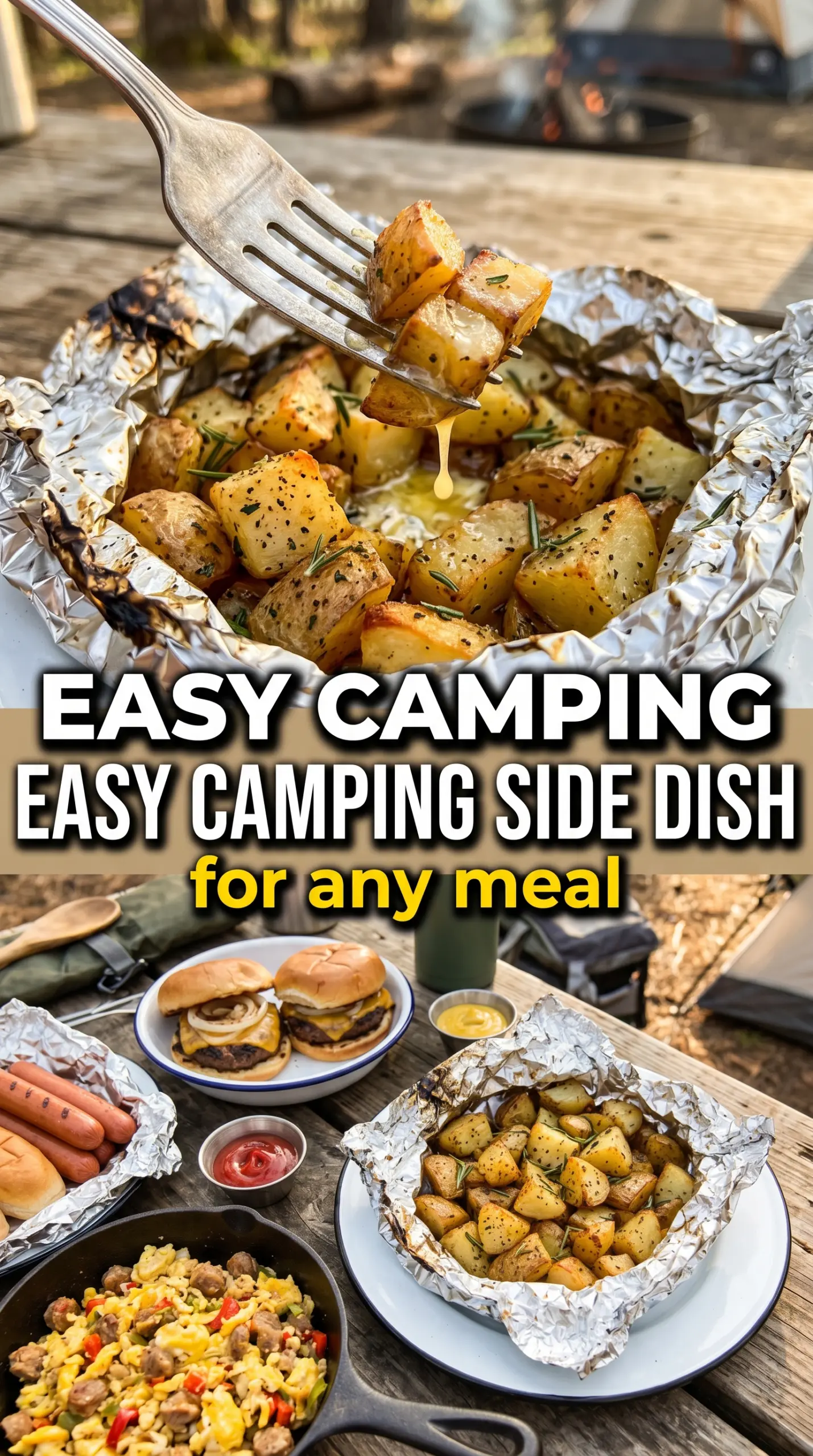
Potatoes with a waxier texture, like red potatoes, hold their shape a little better than starchy baking potatoes, but either one works if you keep the slices thin. The onion is there for more than flavor; it helps separate the potato layers so the butter and seasoning can move through the packet instead of sitting only on top.
Paprika is doing two jobs: it adds color and gives the potatoes a little depth that plain salt and pepper can’t. The cheese is optional, but if you use it, add it at the end after the potatoes are already tender. Put it in too early and it melts into the foil before you get the creamy pull you’re after.
- Potatoes — Russets get fluffier and softer, while Yukon Golds stay a little more velvety and hold shape well. Both work; just keep the slices even.
- Paprika — Regular paprika gives the nicest color here. Smoked paprika works too if you want a deeper campfire note, but use a little less because it takes over fast.
- Cheddar cheese — Shred it yourself if you can. Pre-shredded cheese has anti-caking starch that can keep it from melting as smoothly.
Building the Packet So It Cooks Through Without Leaking
Layering the Potatoes and Onions
Start with a double layer of foil and pile the potatoes into the center, not too spread out. Tuck the onion slices between the potato layers so they don’t all sit on top and dry out. If the slices are clumped together, the middle stays undercooked while the outer edges overcook, which is the most common mistake with foil packets.
Seasoning and Buttering the Layers
Scatter the butter cubes over the potatoes, then sprinkle the garlic powder, paprika, salt, and pepper evenly across the top. The seasoning needs direct contact with the butter and potato slices to spread properly as it melts. If you dump everything in one corner, you get one intensely seasoned bite and several bland ones.
Sealing and Cooking Over the Fire
Fold the foil tightly into a sealed packet and crimp the edges well enough that steam can’t escape. Place it on a campfire grate over medium heat and flip it halfway through the cook time. If the fire is running hot, move the packet to the cooler edge so the foil doesn’t scorch before the potatoes soften.
Finishing With Cheese
Open the packet carefully because the steam will hit fast. Sprinkle the cheese over the hot potatoes, then close the packet again for a couple of minutes until it melts. That last short rest gives you a glossy, melty finish without overcooking the potatoes into mash.
How to Adapt These Foil Packet Potatoes for Different Camps and Kitchens
Dairy-Free Packet Potatoes
Swap the butter for olive oil or a plant-based butter. Olive oil gives a lighter finish and more direct roasted potato flavor, while plant butter keeps the richer taste closer to the original. Either way, the potatoes still soften and brown well as long as the packet is sealed tightly.
Smokier Campfire Potatoes
Use smoked paprika instead of regular paprika and add a pinch of garlic salt if you want a deeper, more fire-kissed taste. Keep the amount modest because smoked paprika can dominate fast, especially over charcoal or a wood fire.
Oven-Baked Foil Packet Potatoes
Bake the sealed packet on a sheet pan at 400°F for about 30 to 35 minutes. You lose the hint of smoke from the fire, but you keep the same tender texture and buttery finish, which makes this a solid backup when the weather changes.
Loaded Potato Finish
Add cooked bacon crumbles and extra cheddar after the packet comes off the heat. The bacon keeps its texture that way, and the cheese melts just enough to bind everything together without turning greasy.
Storage and Reheating
- Refrigerator: Store leftovers in an airtight container for up to 4 days. The potatoes soften a bit more as they sit, but the flavor stays good.
- Freezer: These don’t freeze well. The texture turns grainy and watery after thawing, so it’s better to make only what you’ll eat.
- Reheating: Reheat in a skillet over medium-low heat or in a 375°F oven until hot. The mistake is blasting them on high heat, which dries out the edges before the center warms through.
Questions I Get Asked About This Recipe
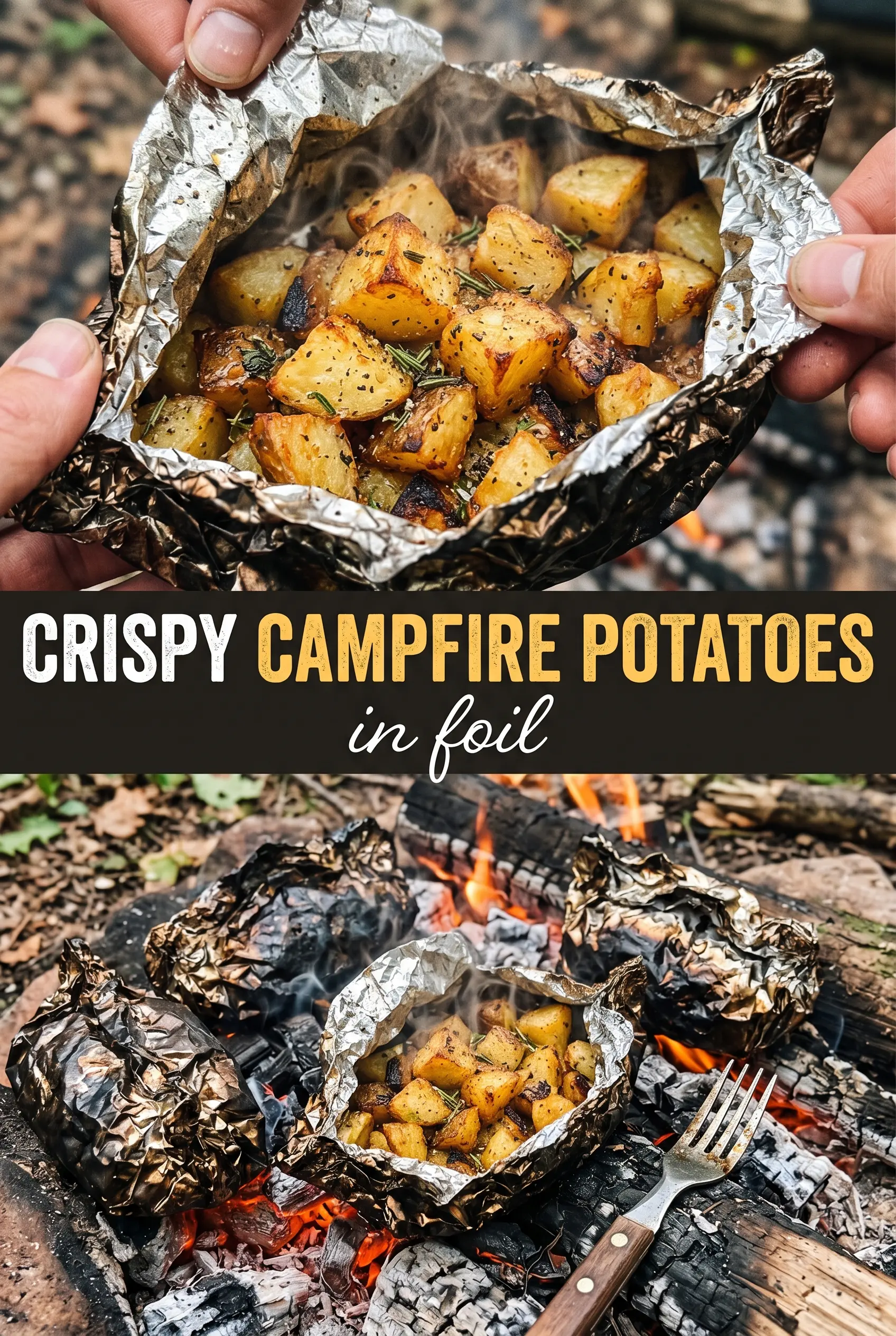
Campfire Potatoes
Ingredients
Equipment
Method
- Layer the thinly sliced potatoes and sliced onion on a large double-layer of heavy-duty aluminum foil.
- Dot the potatoes and onions with cubed butter, then sprinkle evenly with garlic powder, paprika, salt, and pepper.
- Fold the foil tightly into a sealed packet so steam stays inside.
- Place the sealed packet on a campfire grate over medium heat for 25-30 minutes.
- Flip the packet halfway through cooking so potatoes brown evenly.
- Open the packet, sprinkle with shredded cheddar cheese if desired, and reseal for 2 minutes to melt.
- Serve hot directly from the packet.